Contemporary interior design style is defined by the beauty of the present moment. Clean architectural lines, thoughtfully edited details, sophisticated materials, and an uncluttered sense of openness come together to create spaces that feel fresh, polished, and wonderfully livable. In a contemporary kitchen or bath, cabinetry becomes part of the architecture, shaping the room with balanced proportions, streamlined surfaces, and a refined palette that allows every intentional detail to shine.
Browse the gallery below with the arrow icons to explore contemporary styled spaces with Dura Supreme Cabinetry.
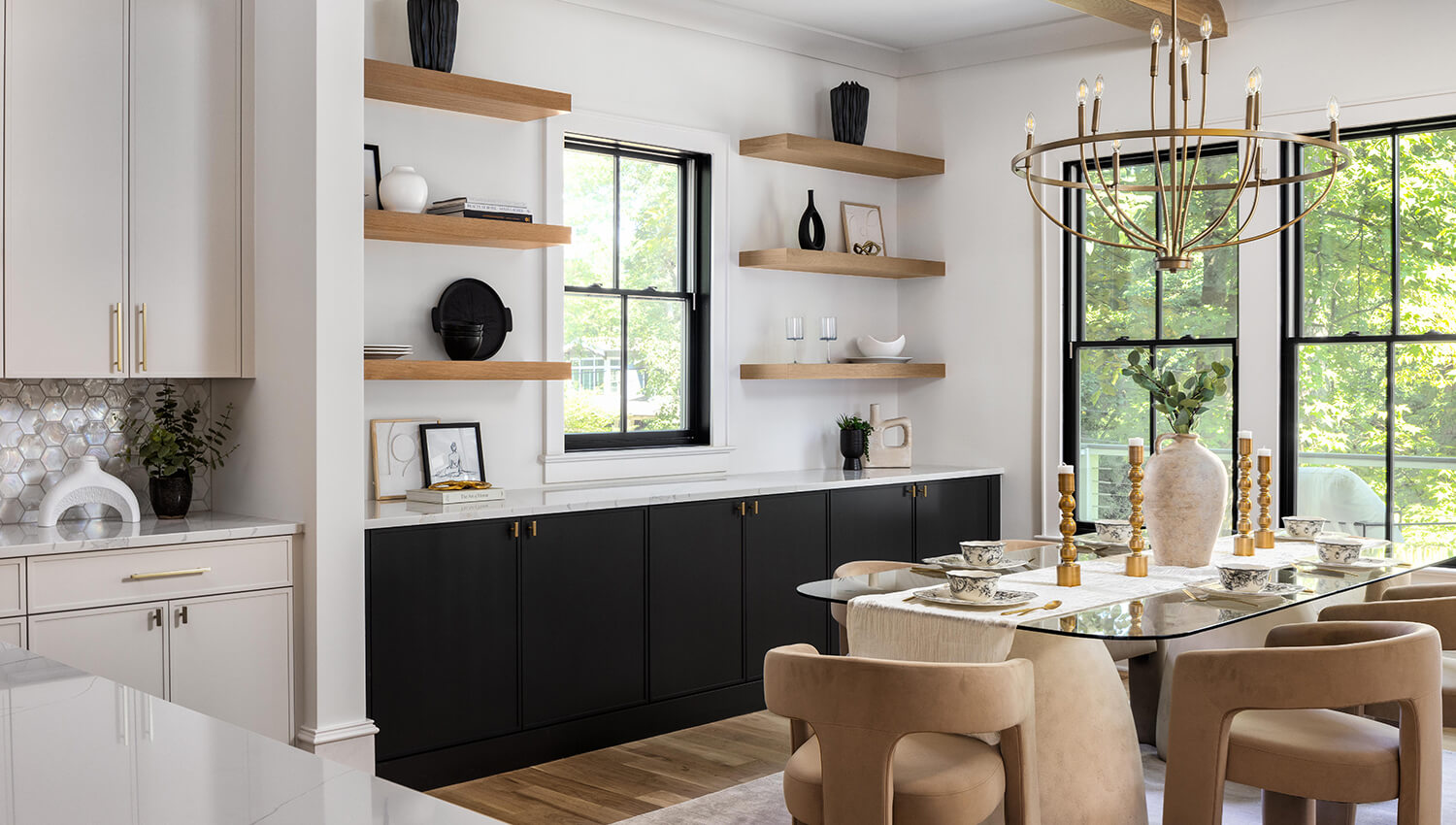
Design by Autograph Cabinetry and Design of Mooresville, North Carolina.
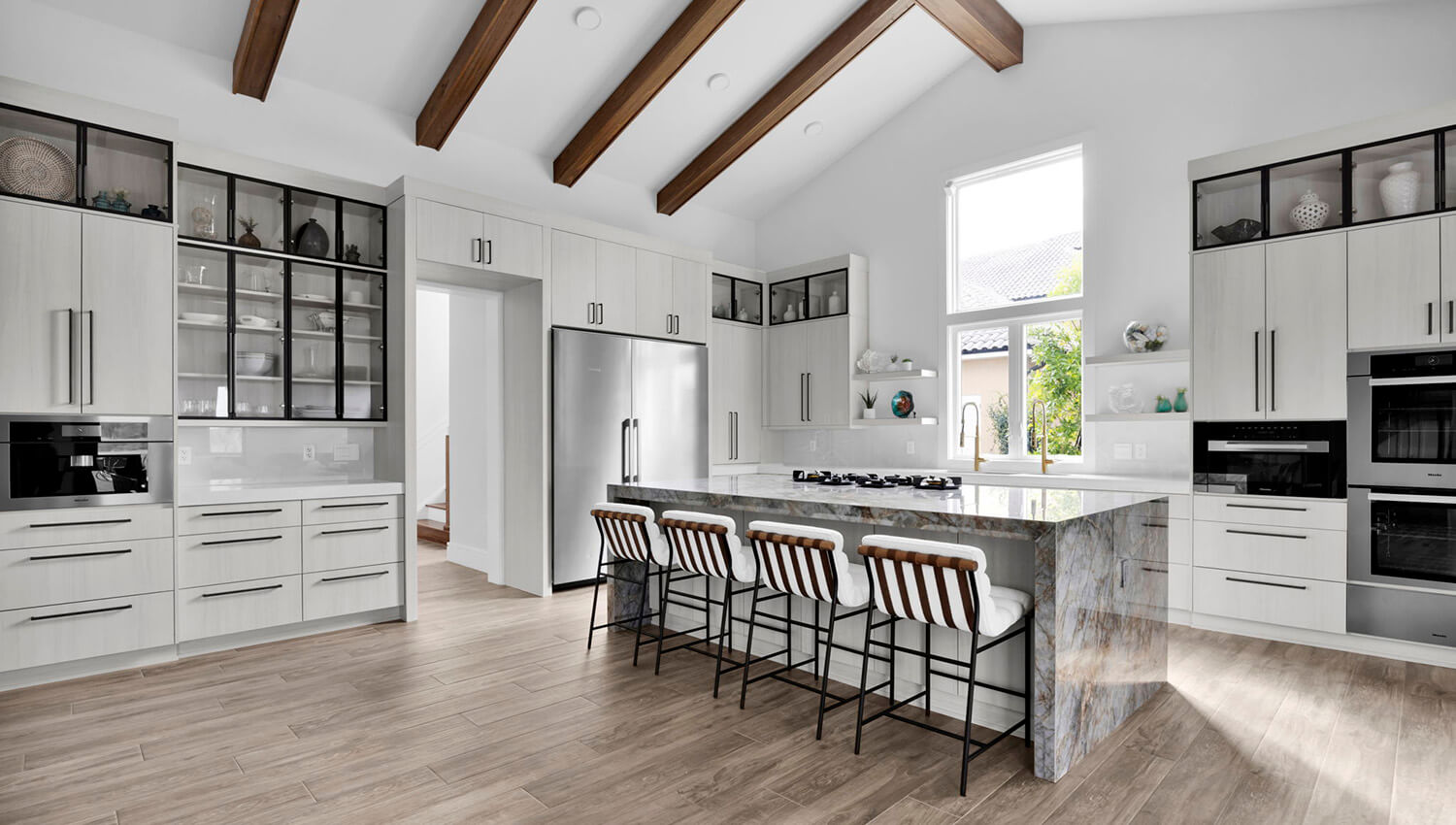
Design by Bonnie McKesson at Kitchen Design Gallery of Jacksonville, Florida. Photo by Kim Lindsey Photography.
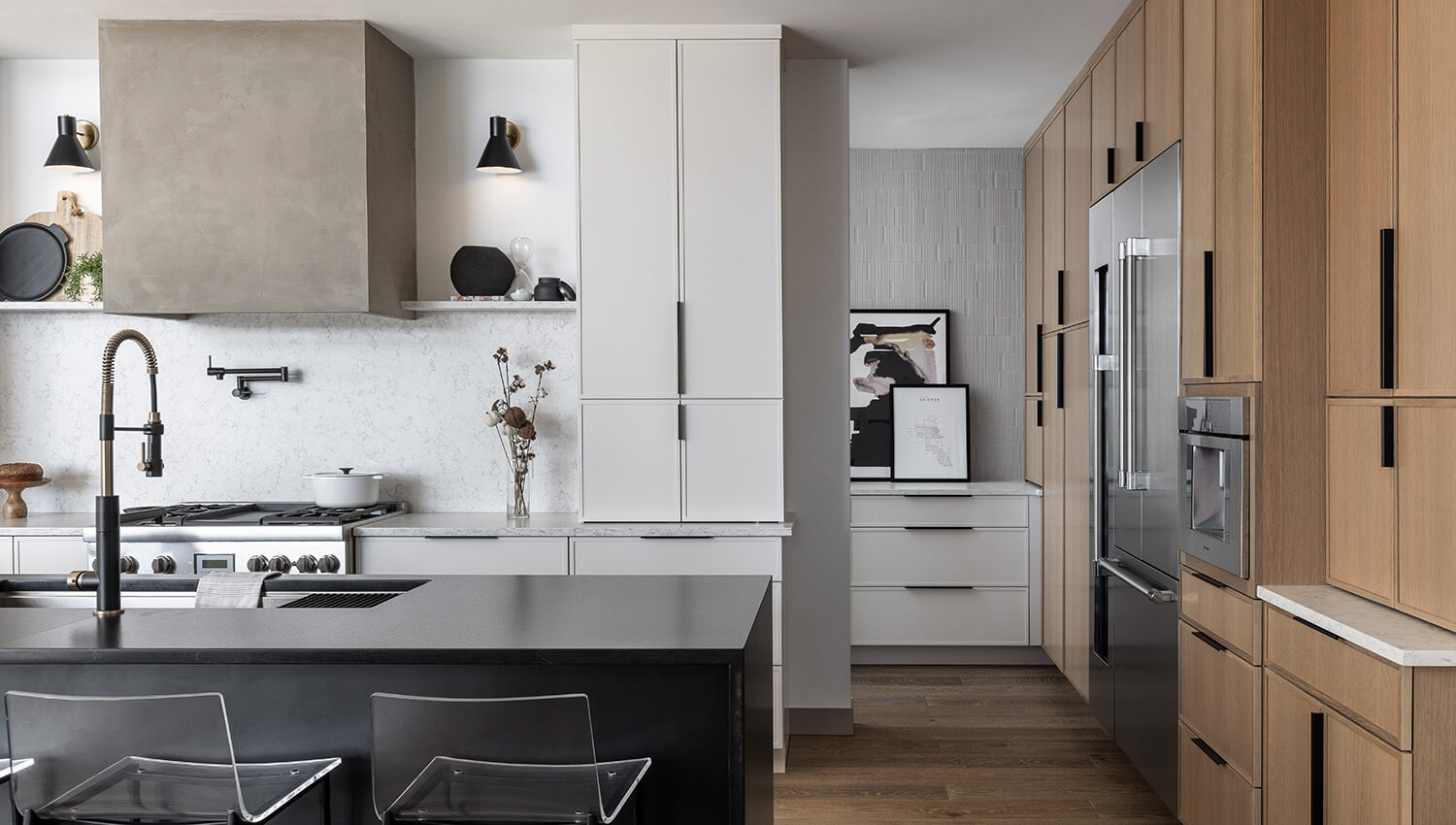
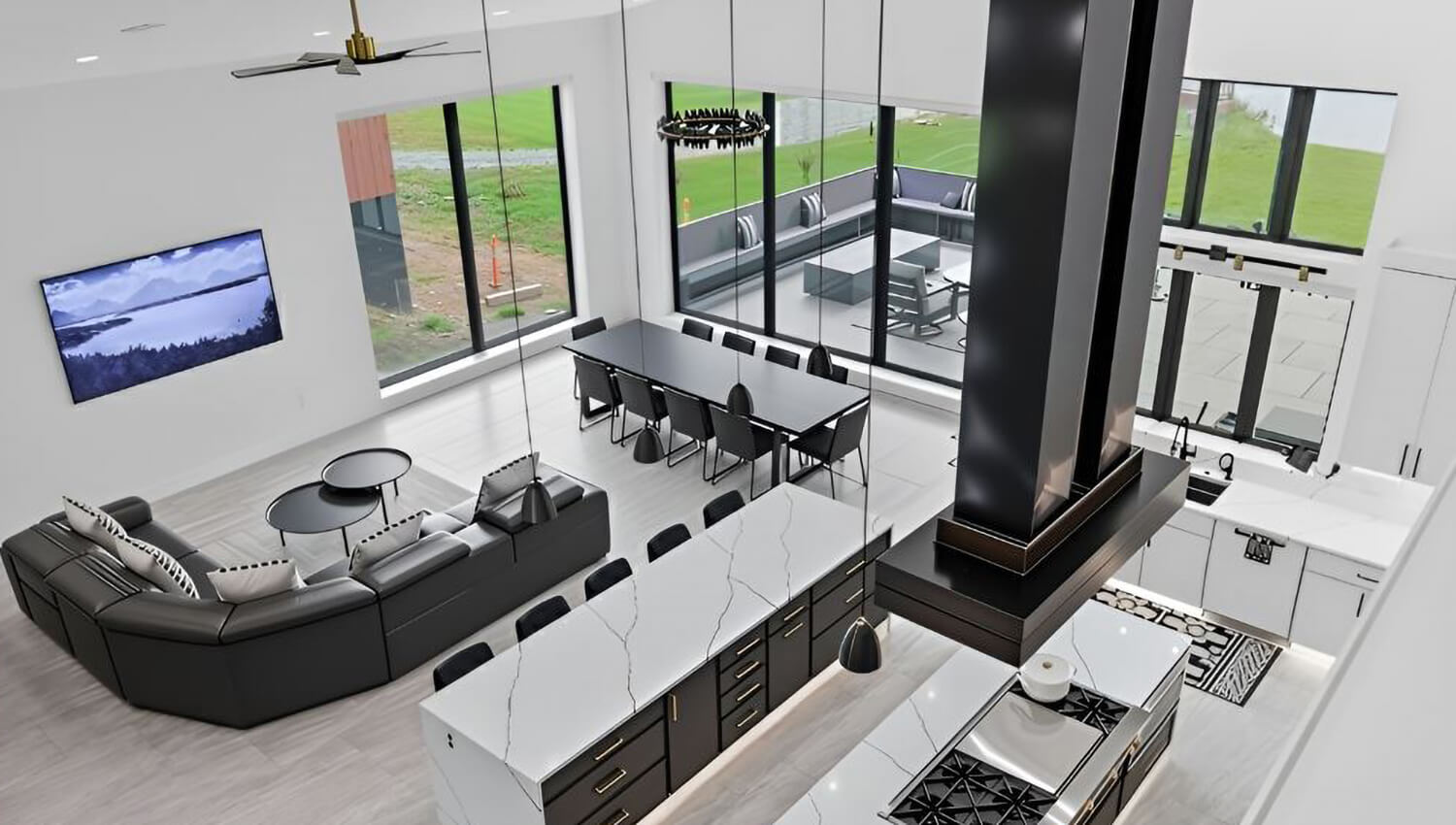
Design by Creative Kitchen Designs, Inc. of Anchorage, Alaska.
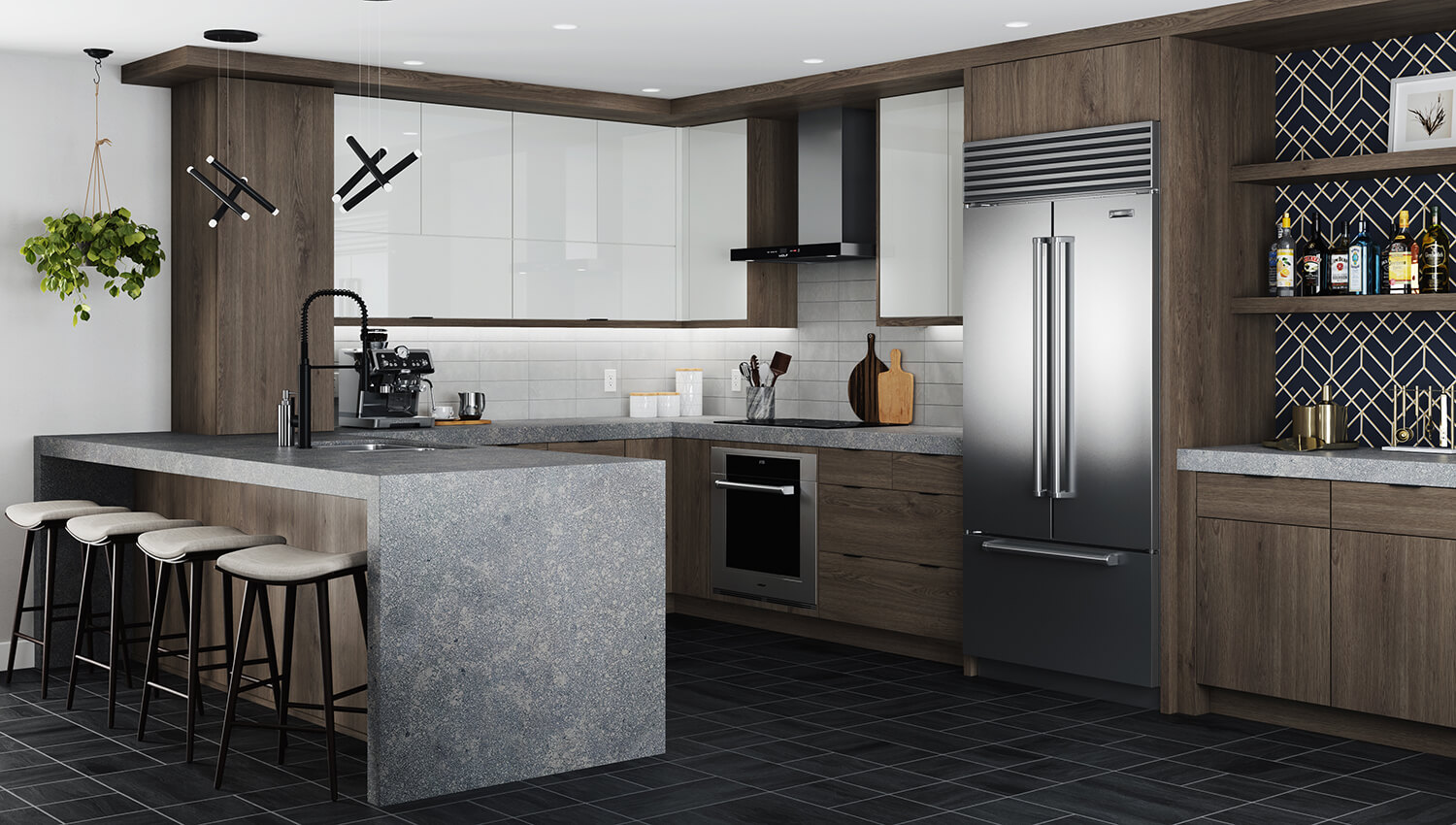
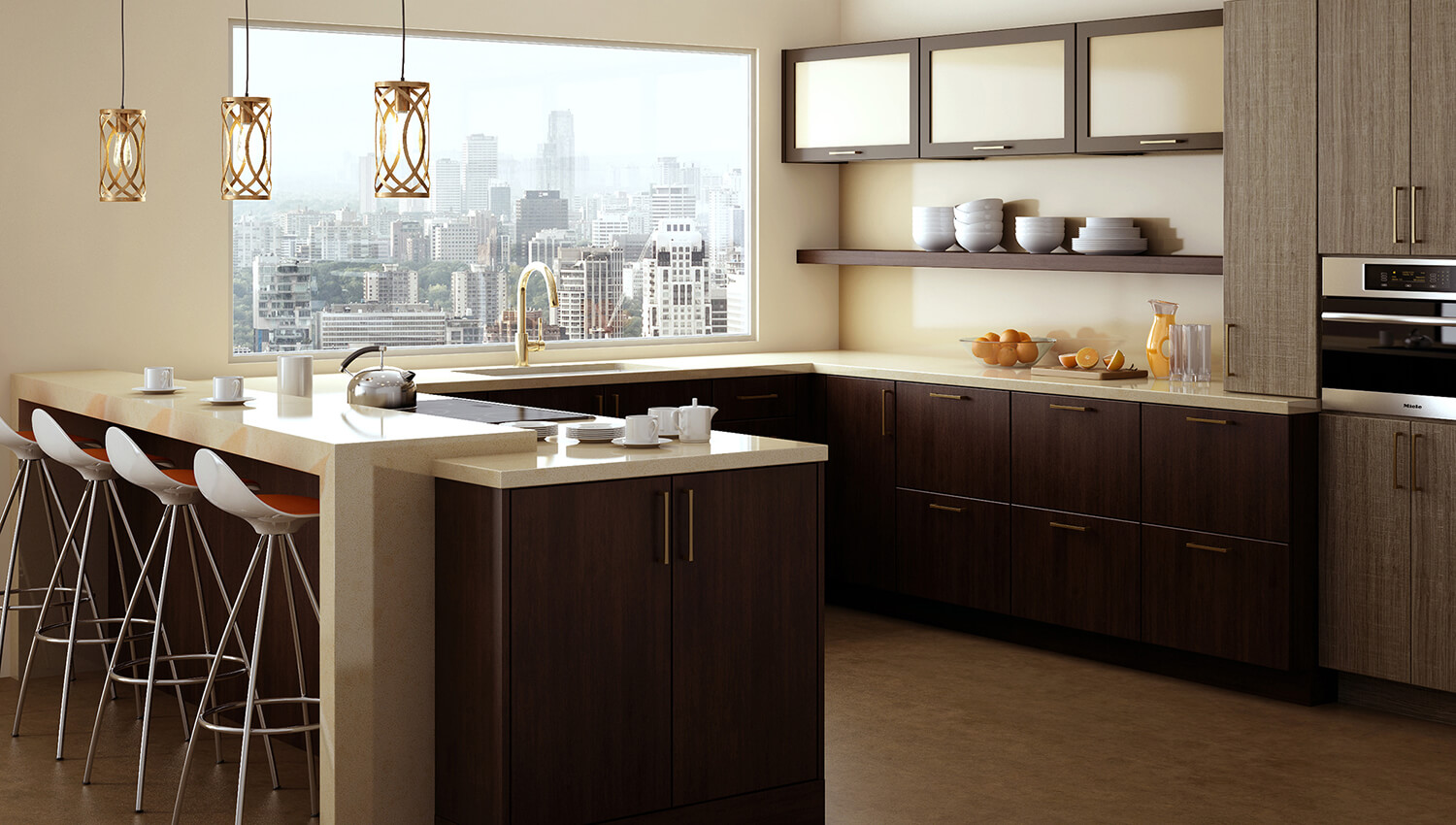
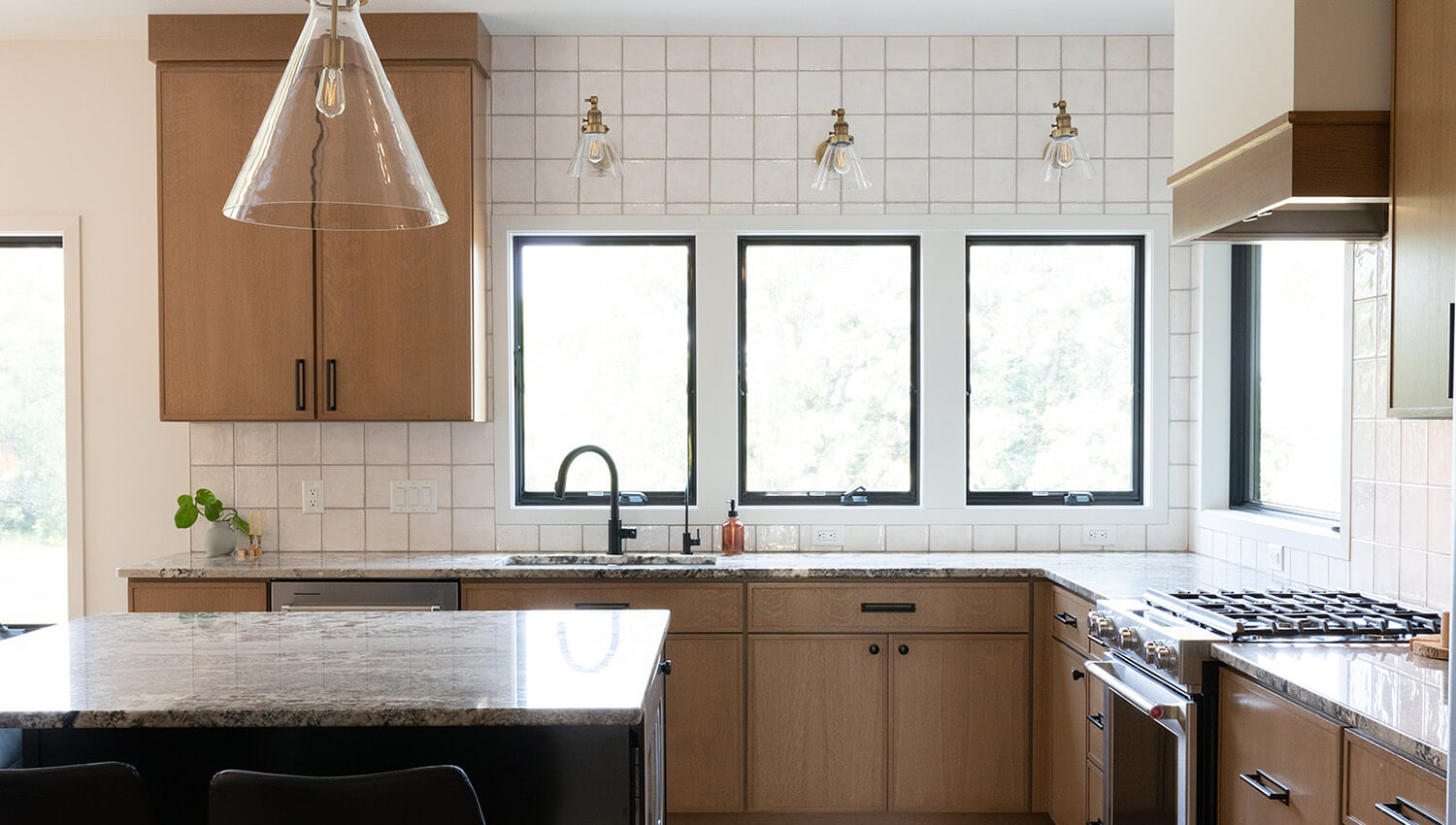
Design by Nordaas American Homes of Minnesota Lake, Minnesota.
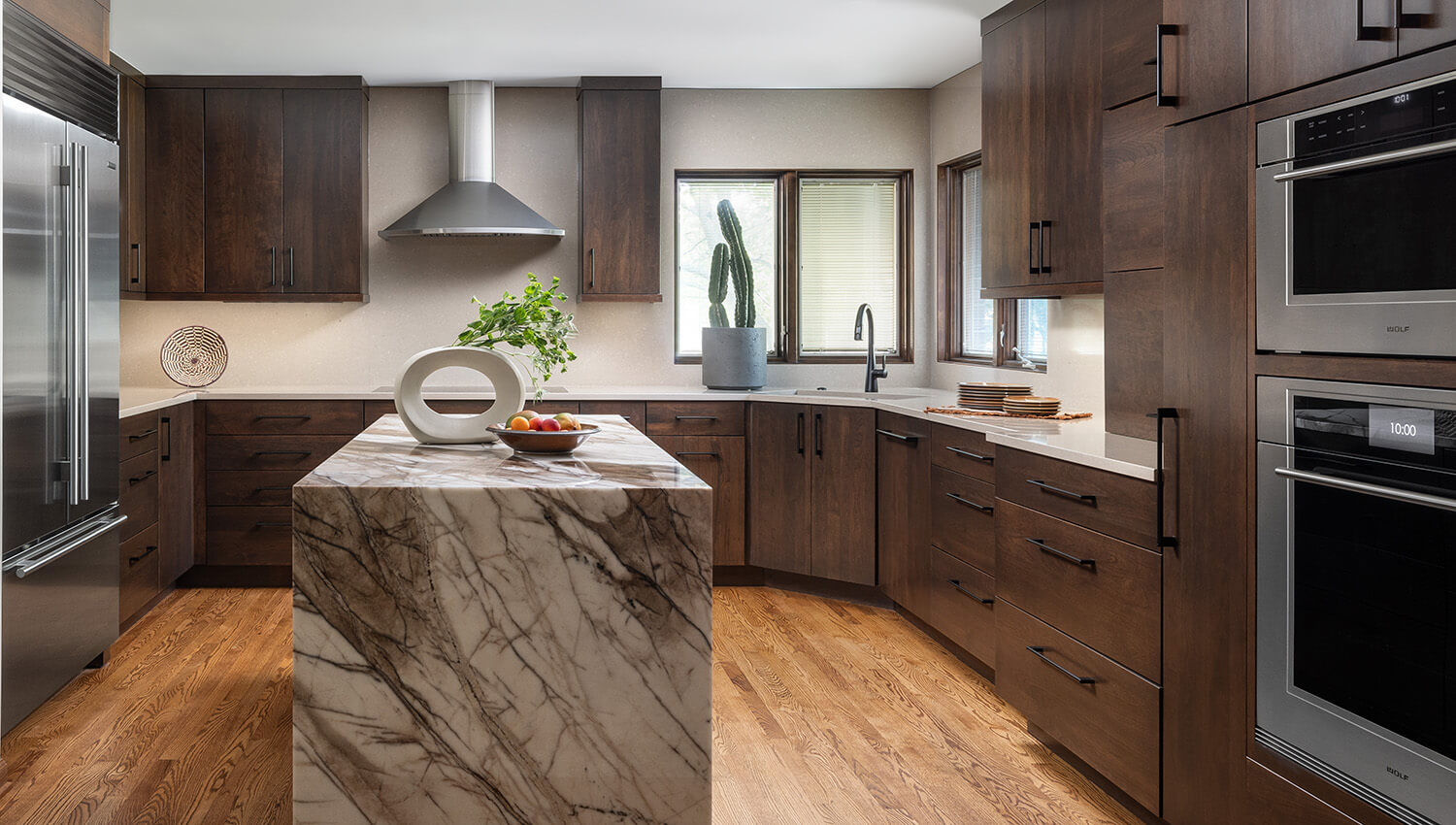
Design by Jen Holz at Dillman & Upton, Rochester, Michigan.
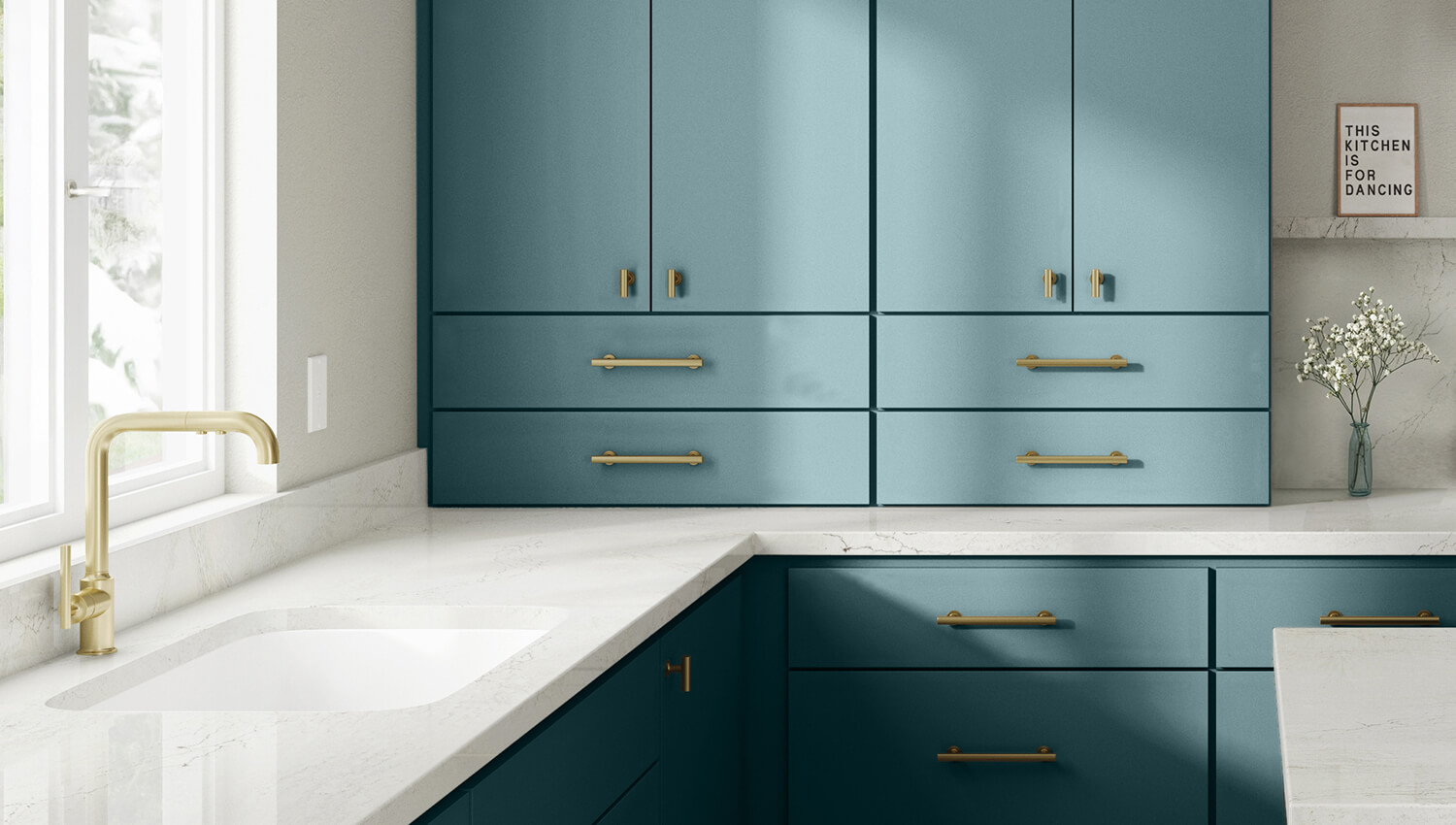
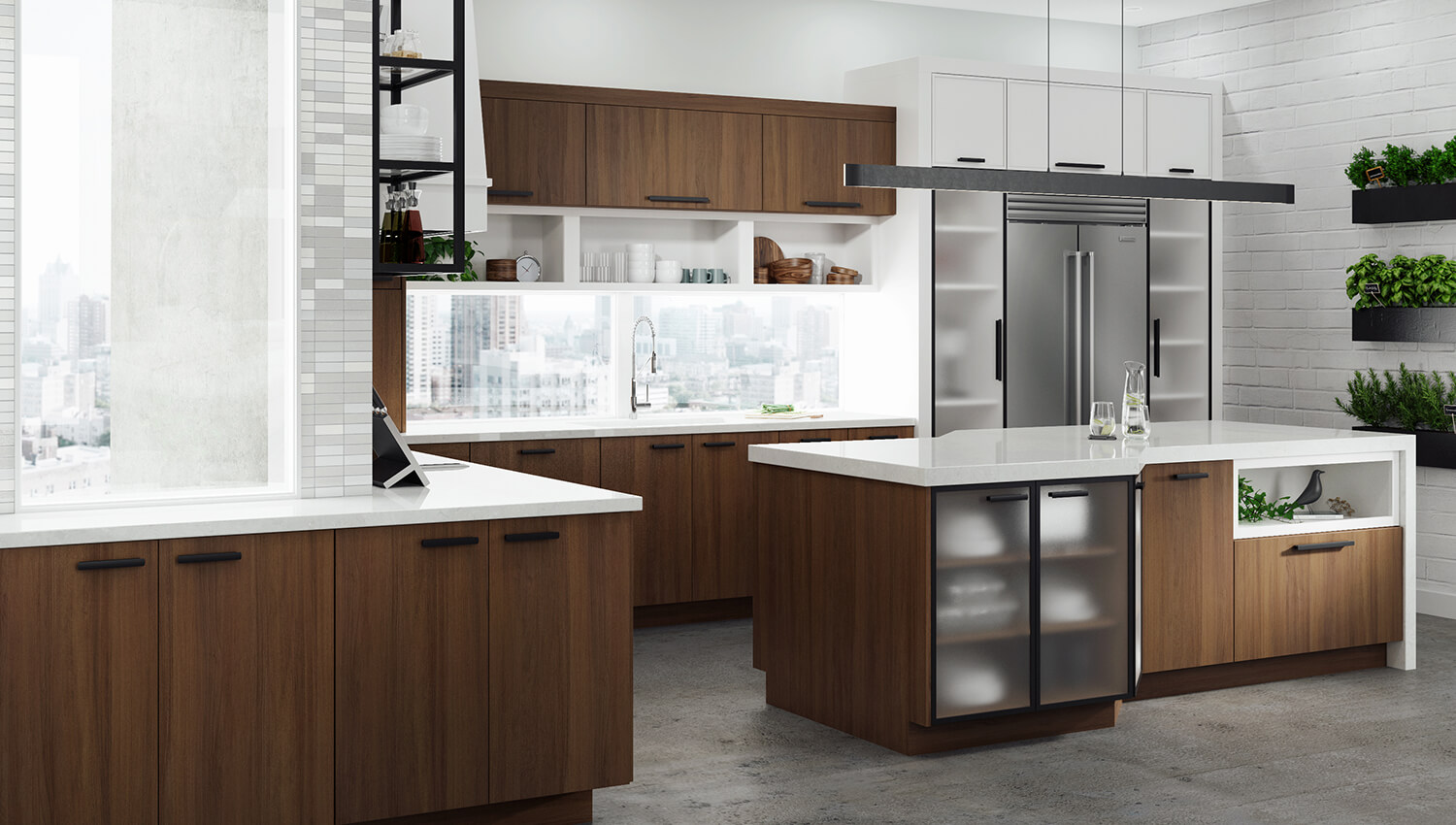
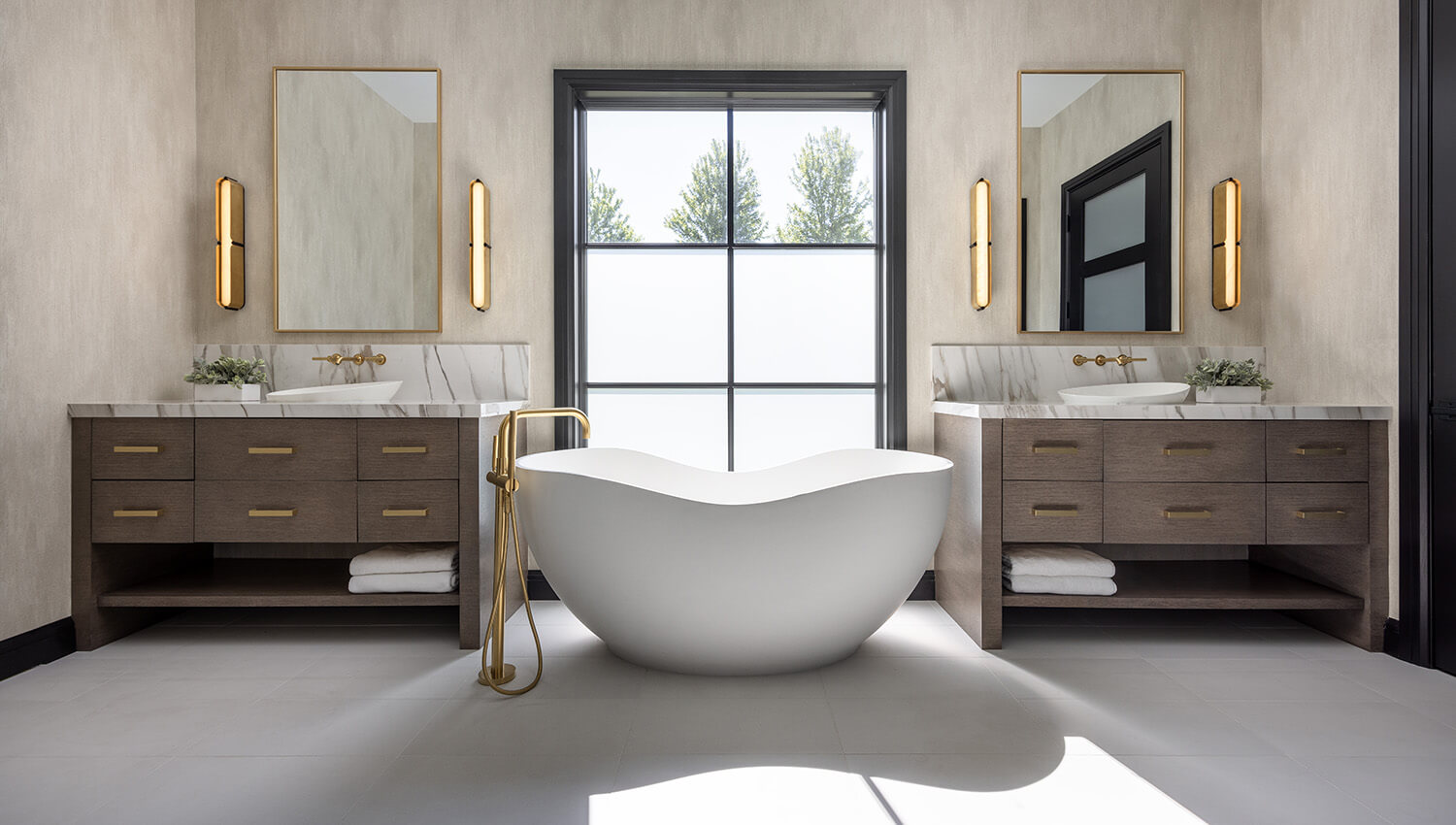
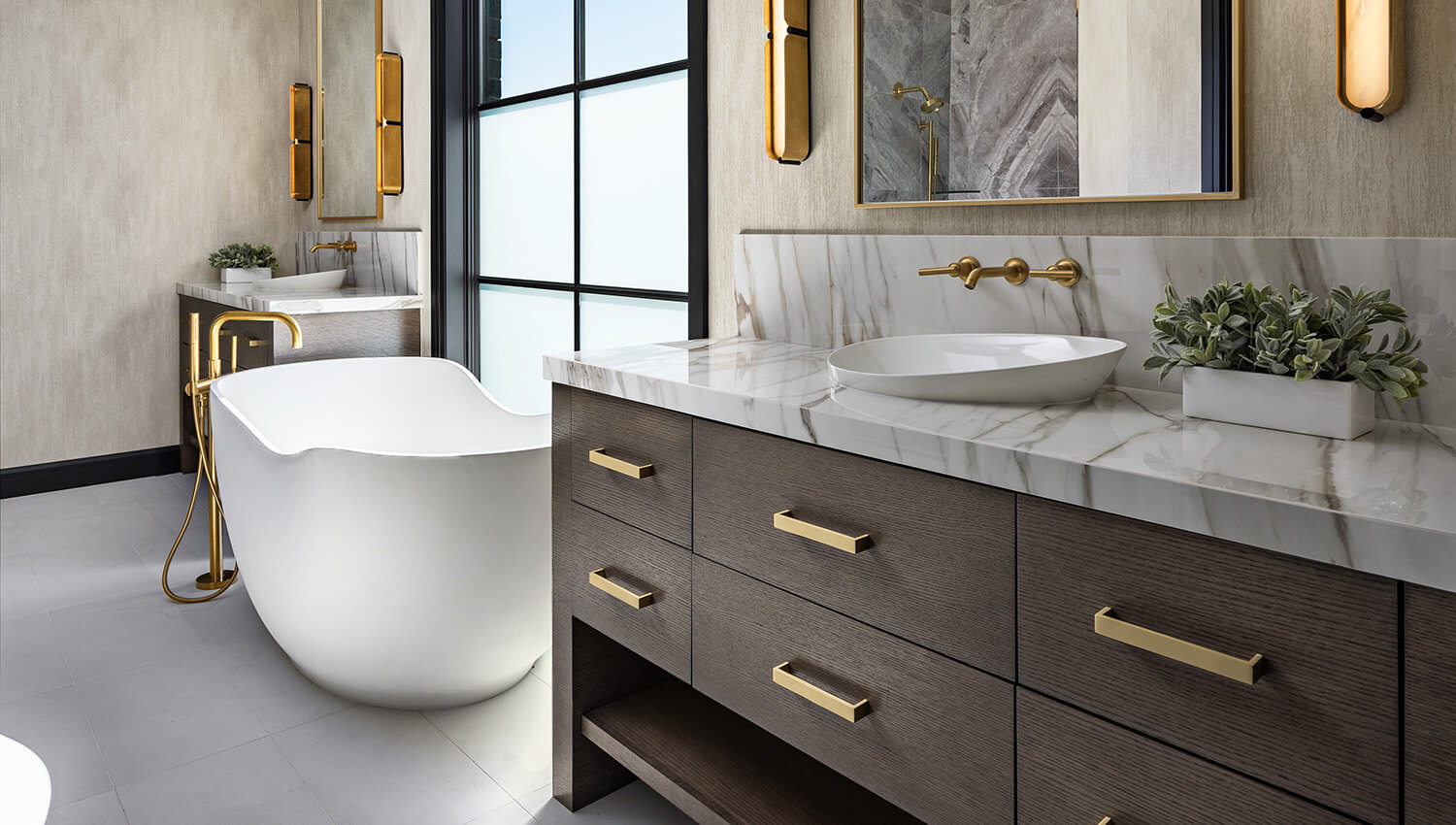
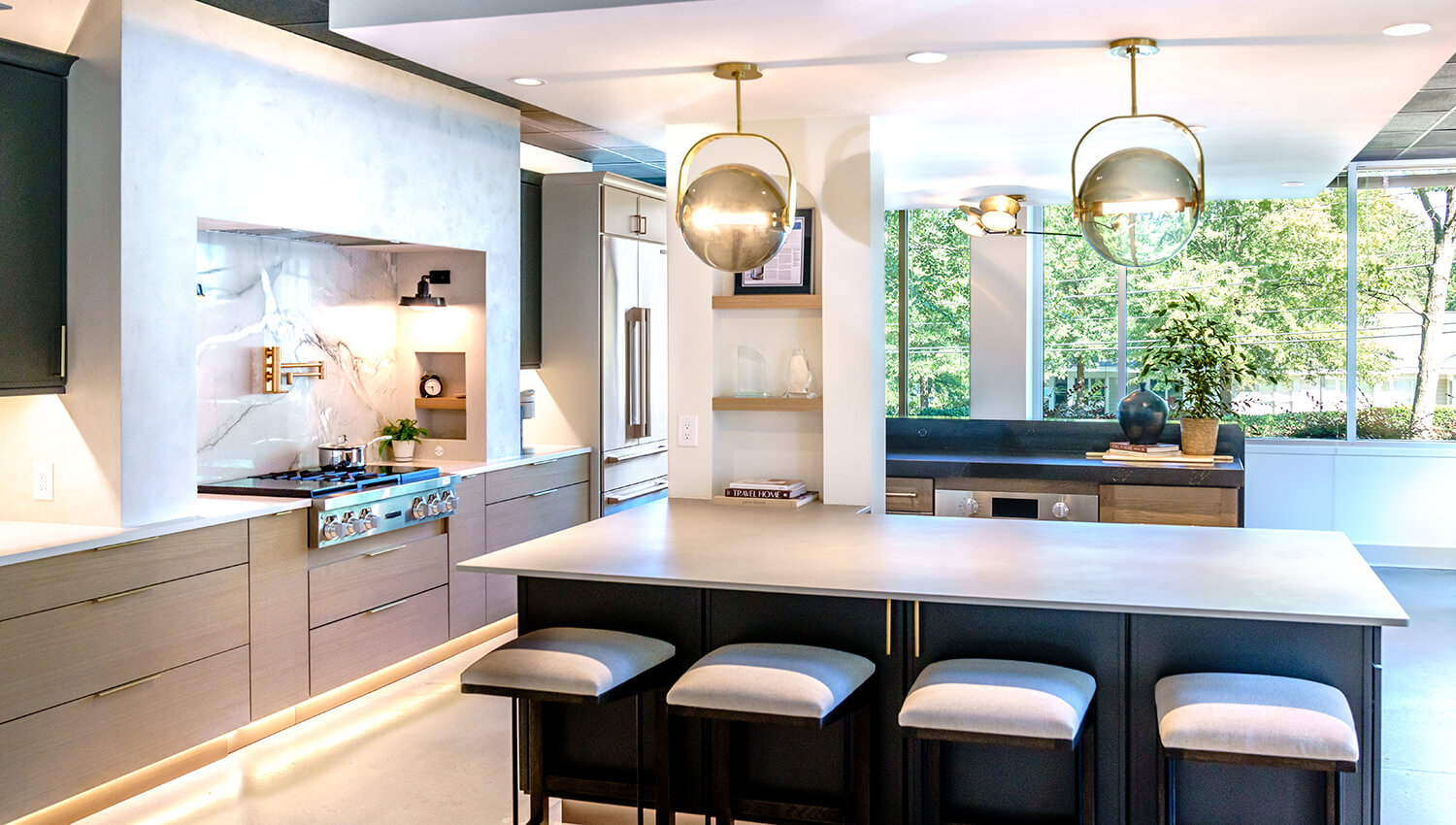
Design by Grau Design Studio of Durham, North Carolina.
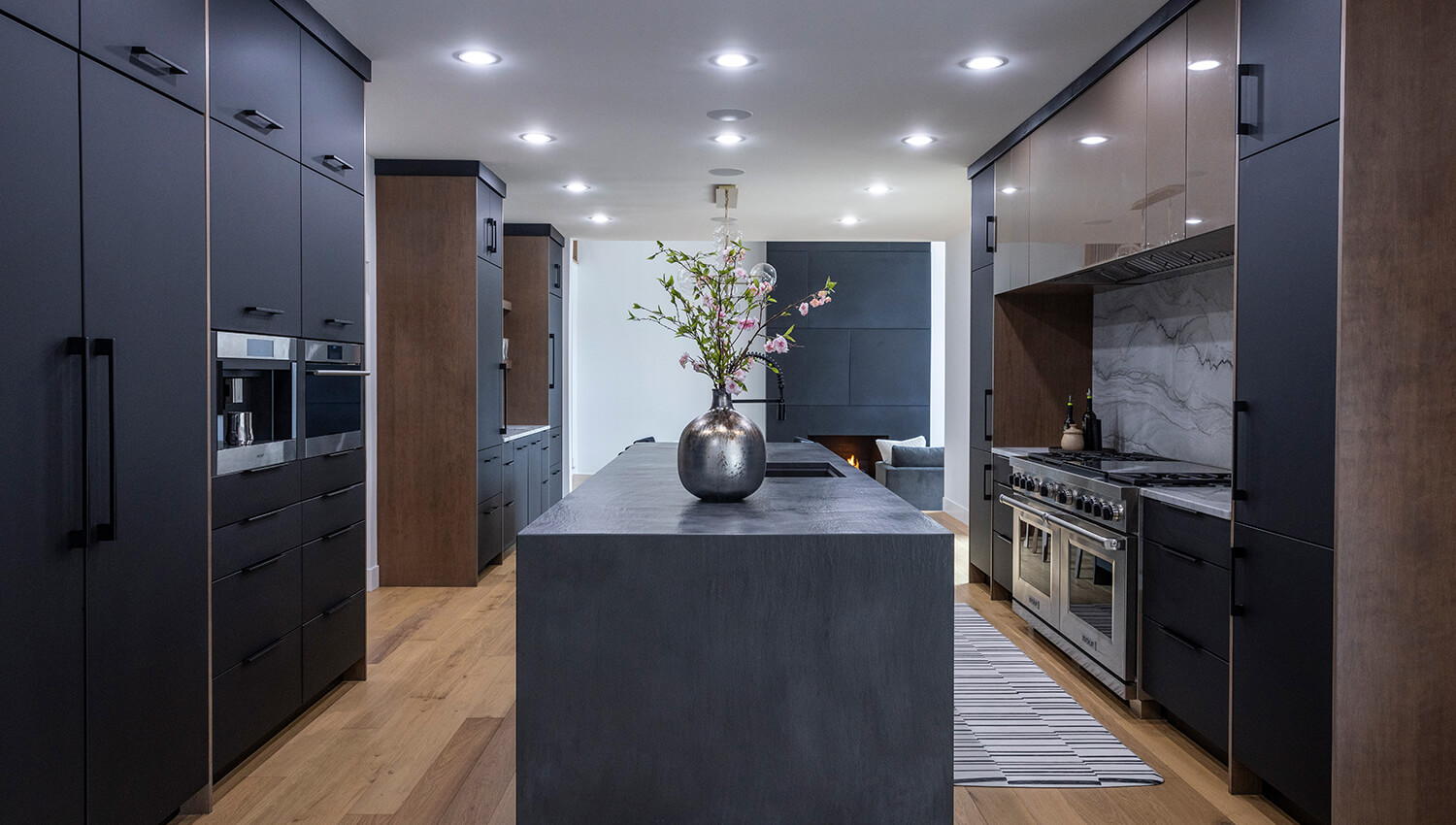
Design by Ana Gomez at Evolo Design of Cincinnati, Ohio. Photo by rvp Photography.
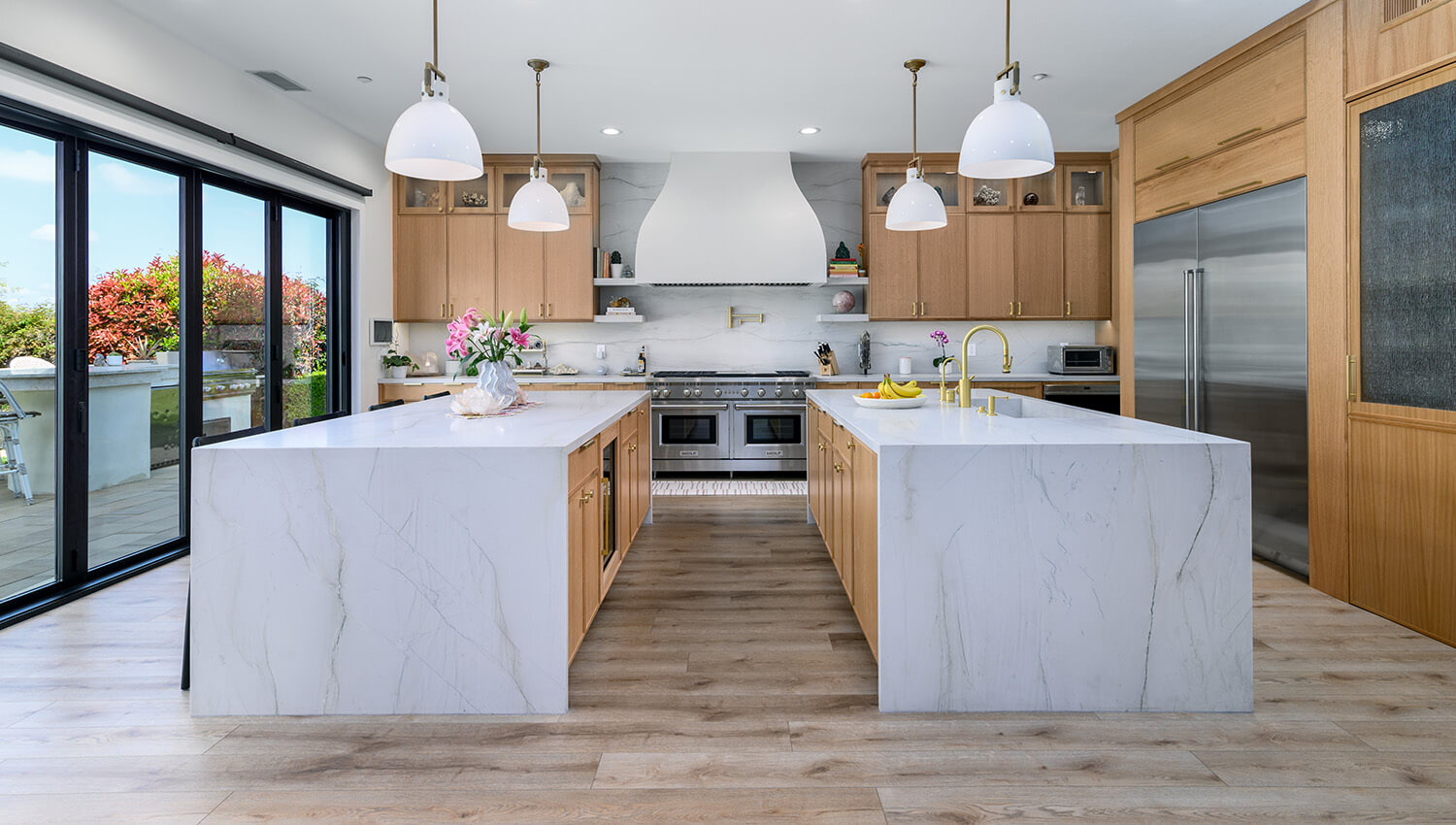
Design by Design with Integrity of Thousand Oaks, California. Photo by Nathan Cool.
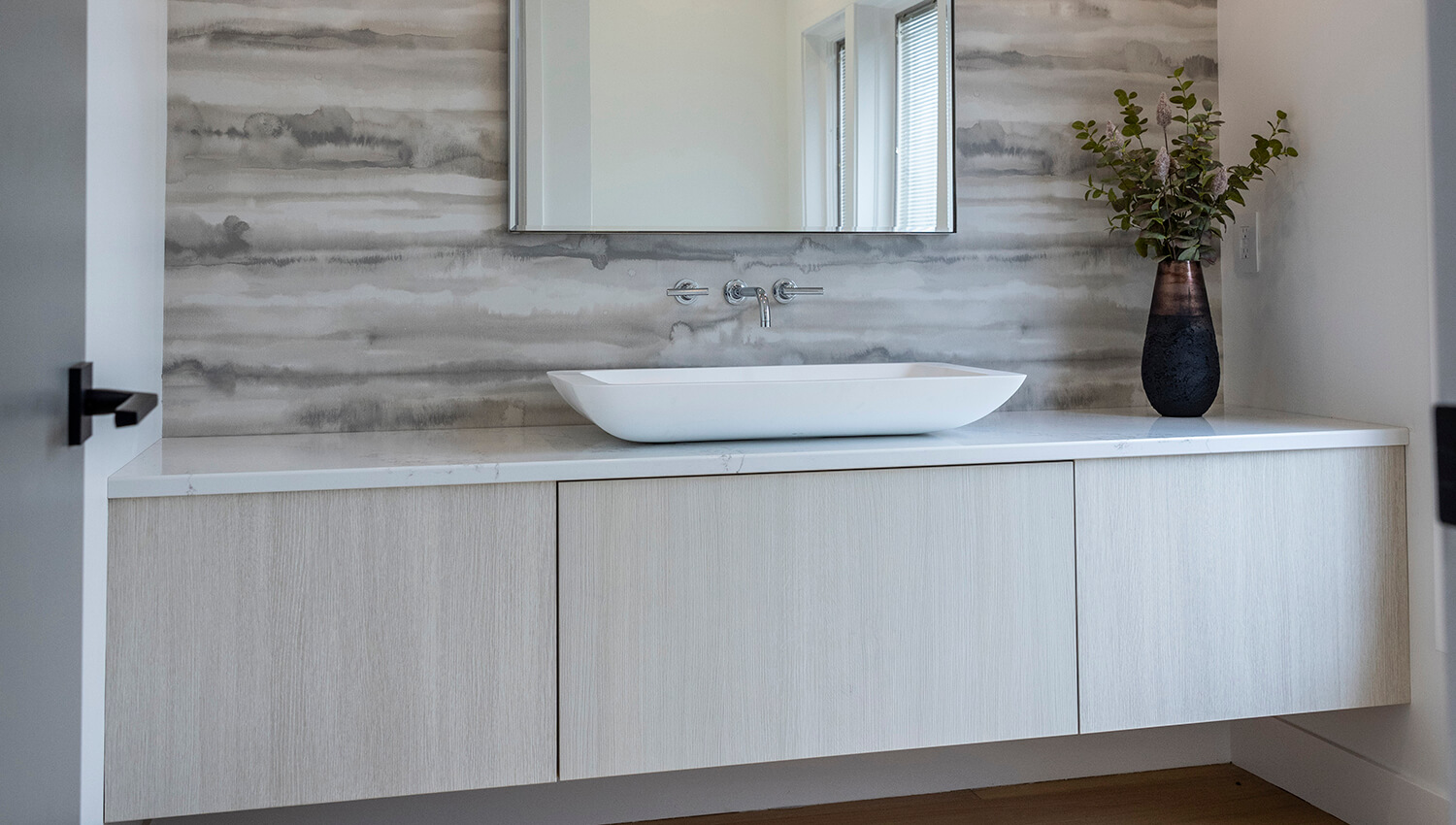
Design by Ana Gomez at Evolo Design of Cincinnati, Ohio. Photo by rvp Photography.
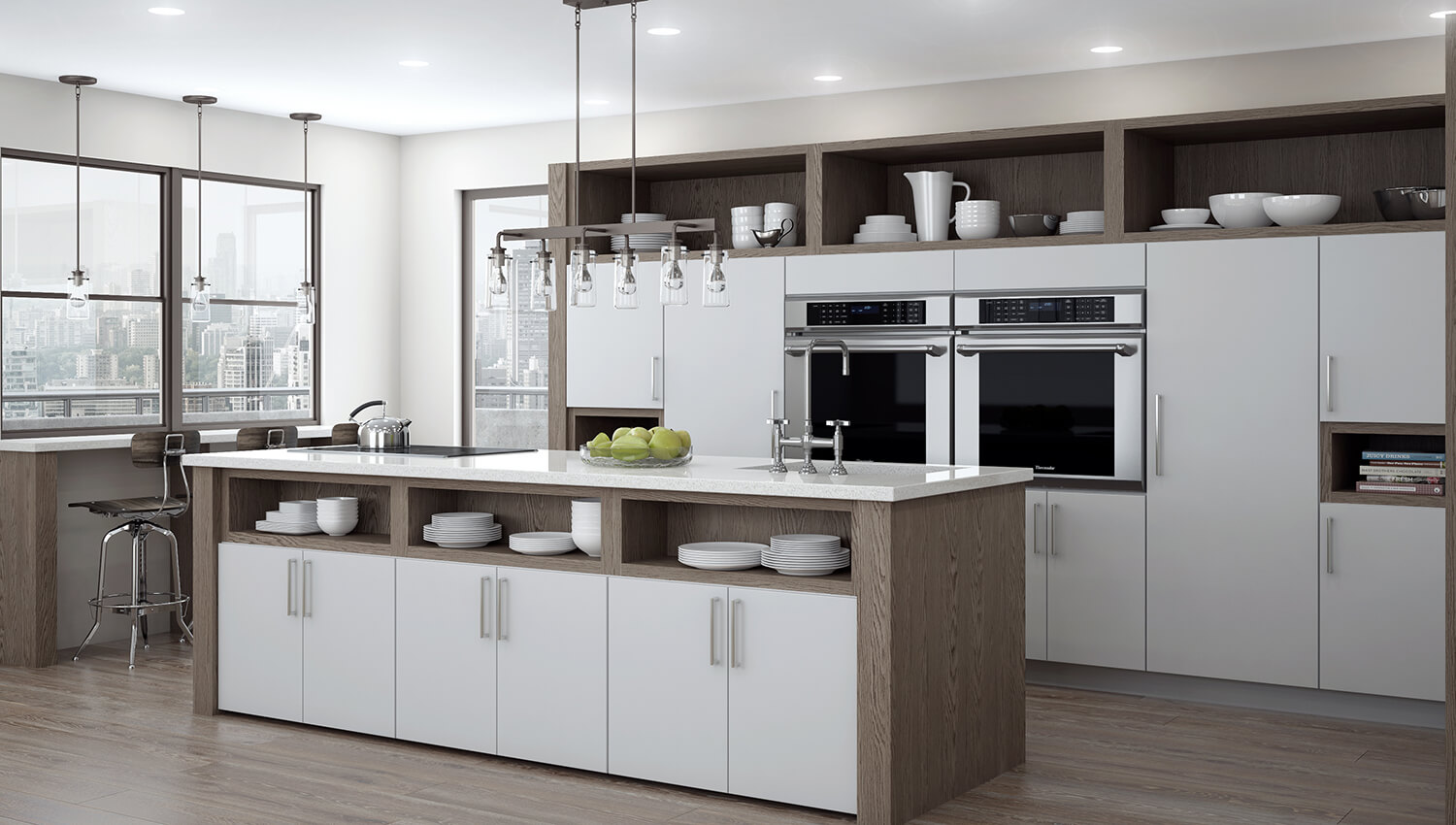
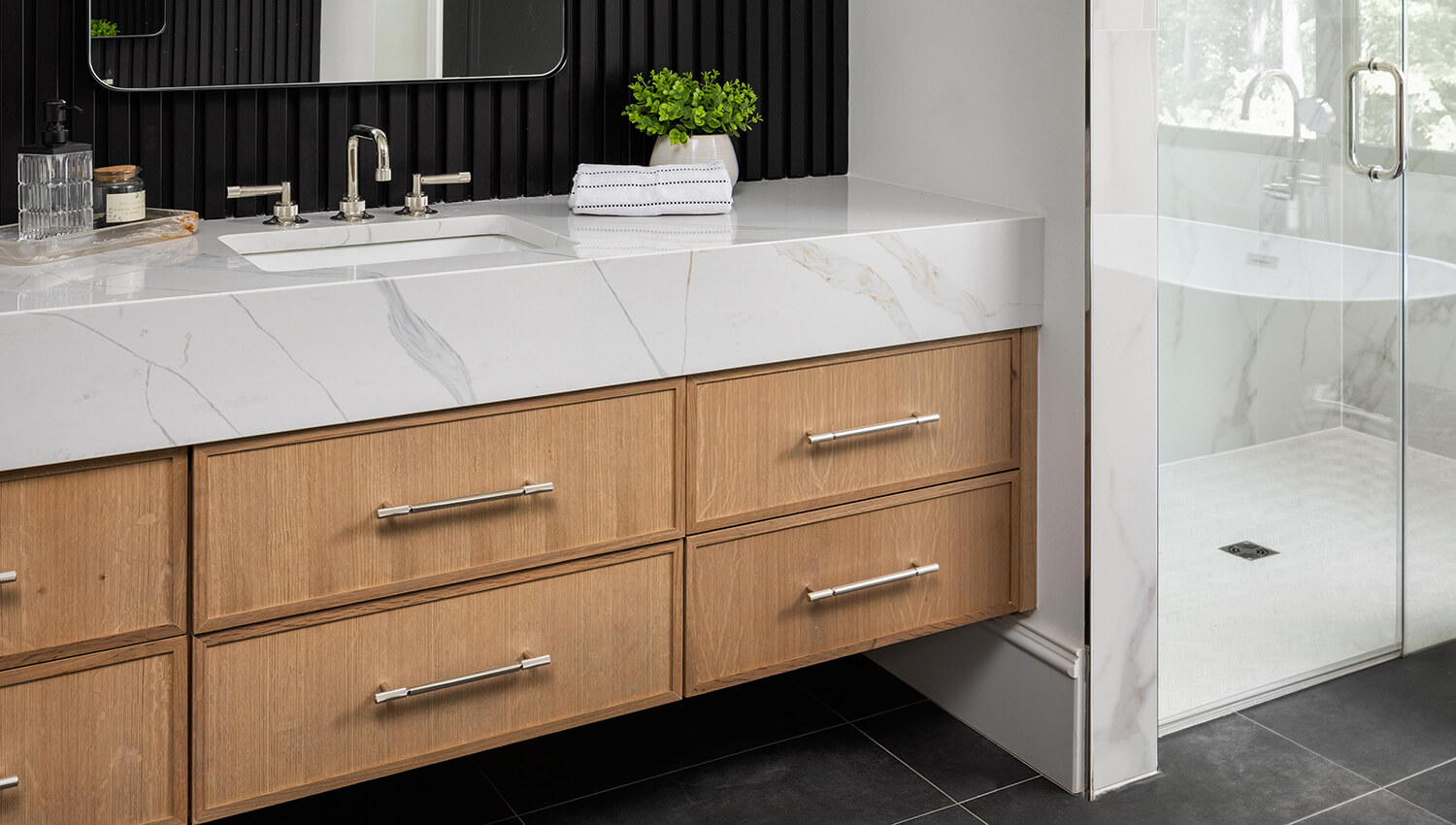
Design by Autograph Cabinetry and Design of Mooresville, North Carolina.
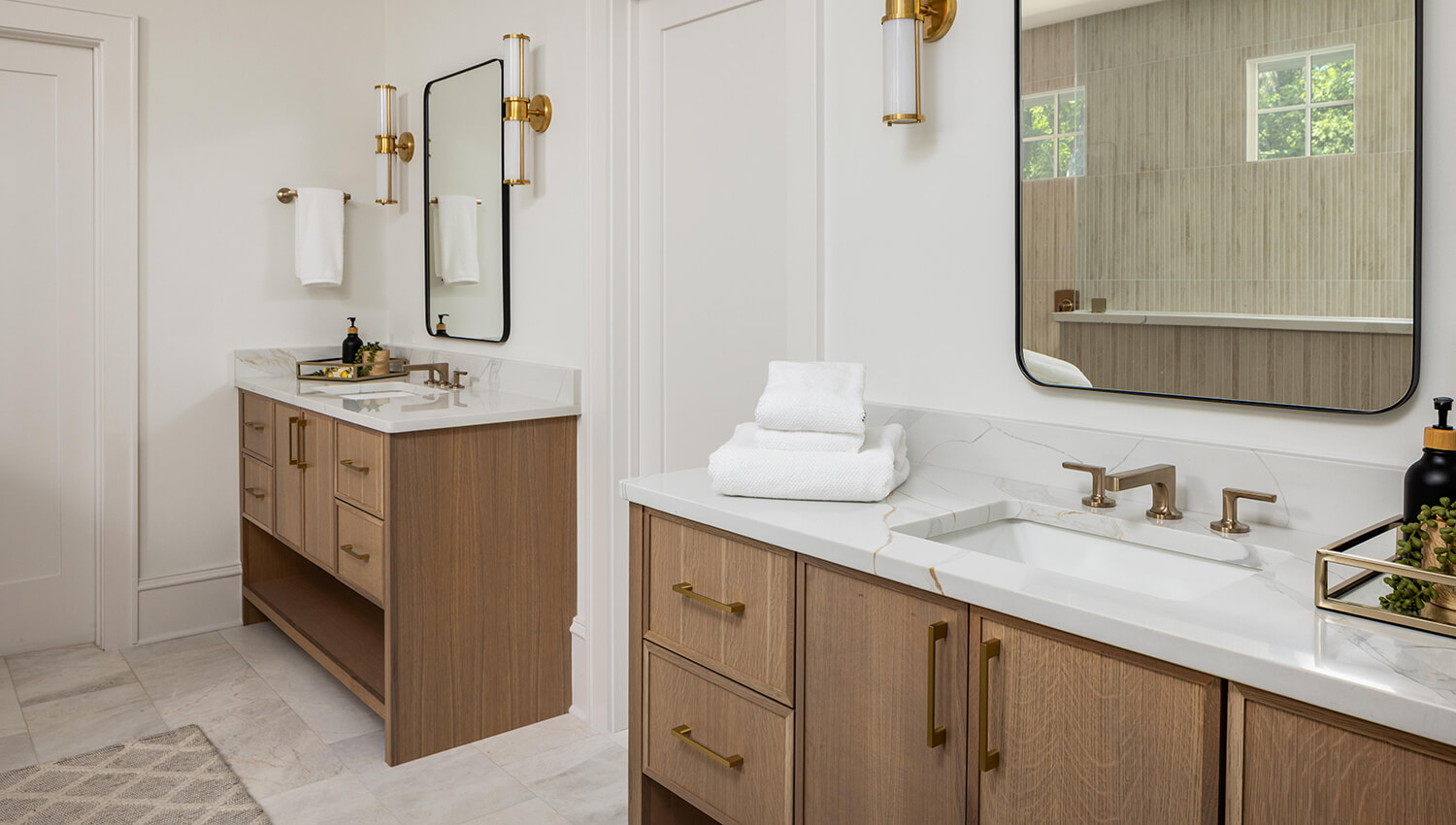
Design by Autograph Cabinetry and Design of Mooresville, North Carolina.
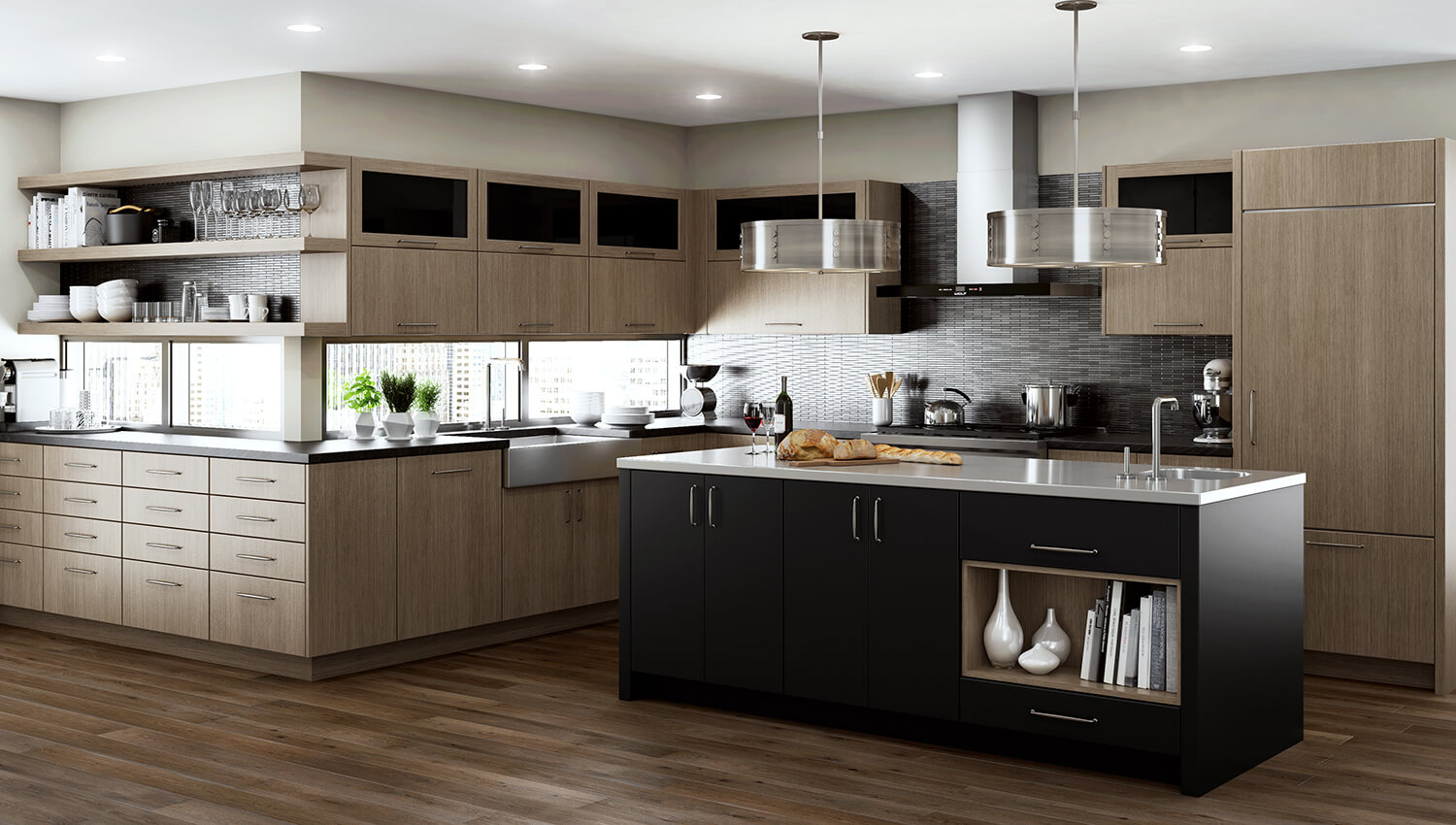
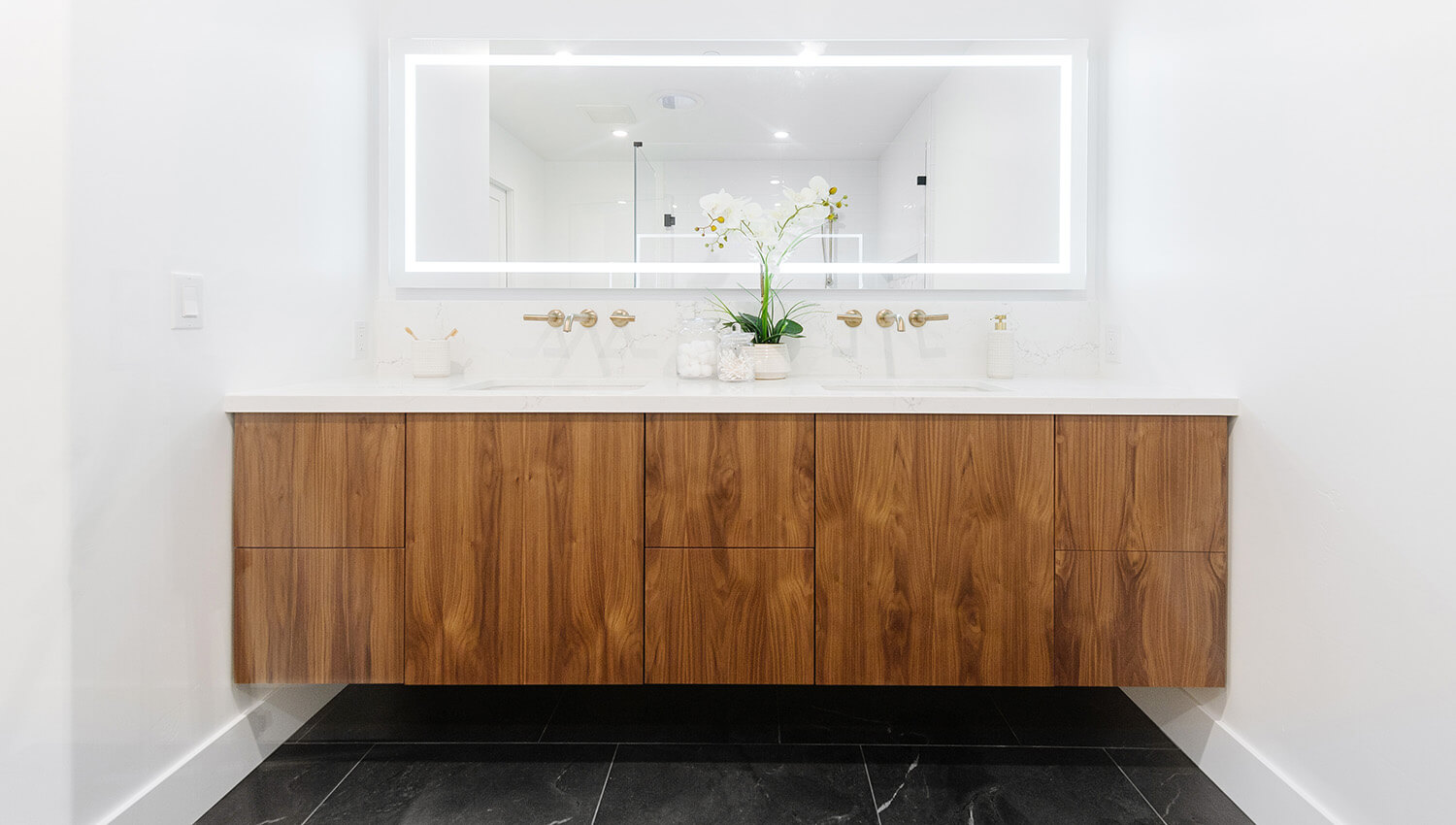
Design by Ariana Lovato of Honeycomb Home Design of Arroyo Grande, California. Photography by Lisa Maksoudian.
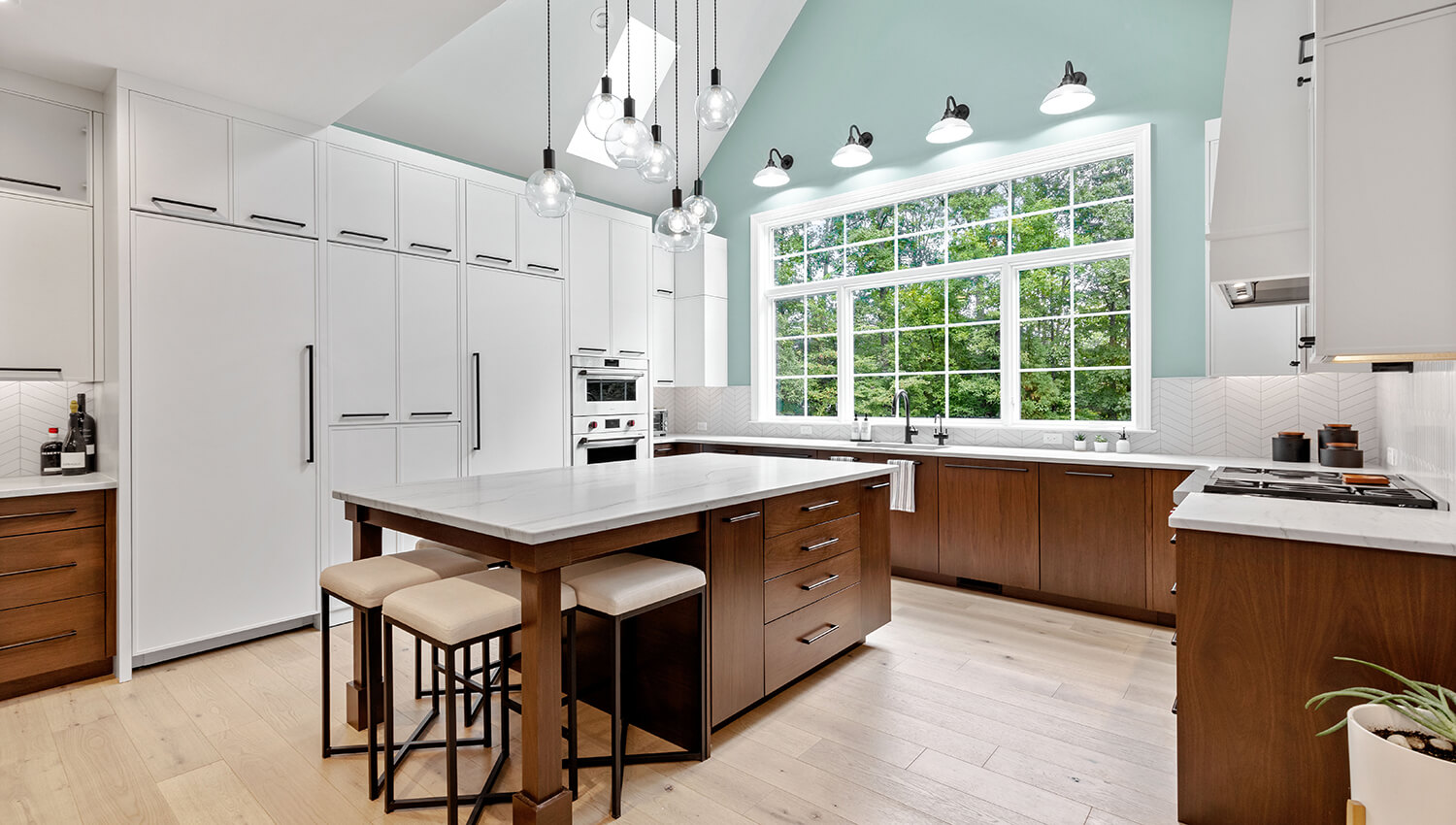
Design by Lane Homes & Remodeling, Inc. of Richmond, Virginia. Photo by Aquatree Designs.
Contemporary VS. Modern Interior Design
Contemporary design is sometimes used interchangeably with modern design, but the two terms describe different ideas. So what distinguishes a contemporary kitchen from a modern kitchen?
Modern design generally refers to a defined historical movement associated with the clean forms and functional ideals that shaped much of the twentieth century. Contemporary design is more fluid. It reflects what feels relevant now, borrowing selectively from modernism, minimalism, organic design, industrial architecture, and other influences without becoming limited to a single era.
That flexibility is one of contemporary design’s greatest strengths. As lifestyles and materials evolve, contemporary interiors evolve with them. Earlier interpretations often emphasized cool colors, glossy surfaces, and sharply geometric forms. Today, the look frequently feels warmer and more tactile, with soft wood grain, honed stone, matte cabinetry, curved silhouettes, and layers of natural texture balancing the style’s crisp architectural foundation.

A causal contemporary master bedroom design with Dura Supreme cabinetry designed by Julie Holzman at Holzman Interiors of Stamford, Connecticut.
In the kitchen, this evolution has created rooms that are sleek without feeling stark. Cabinetry may still feature flat, uninterrupted planes, but those clean surfaces are increasingly paired with inviting finishes and organic materials. The result is a style that feels current while remaining comfortable enough for cooking, gathering, and the familiar rhythms of everyday life.
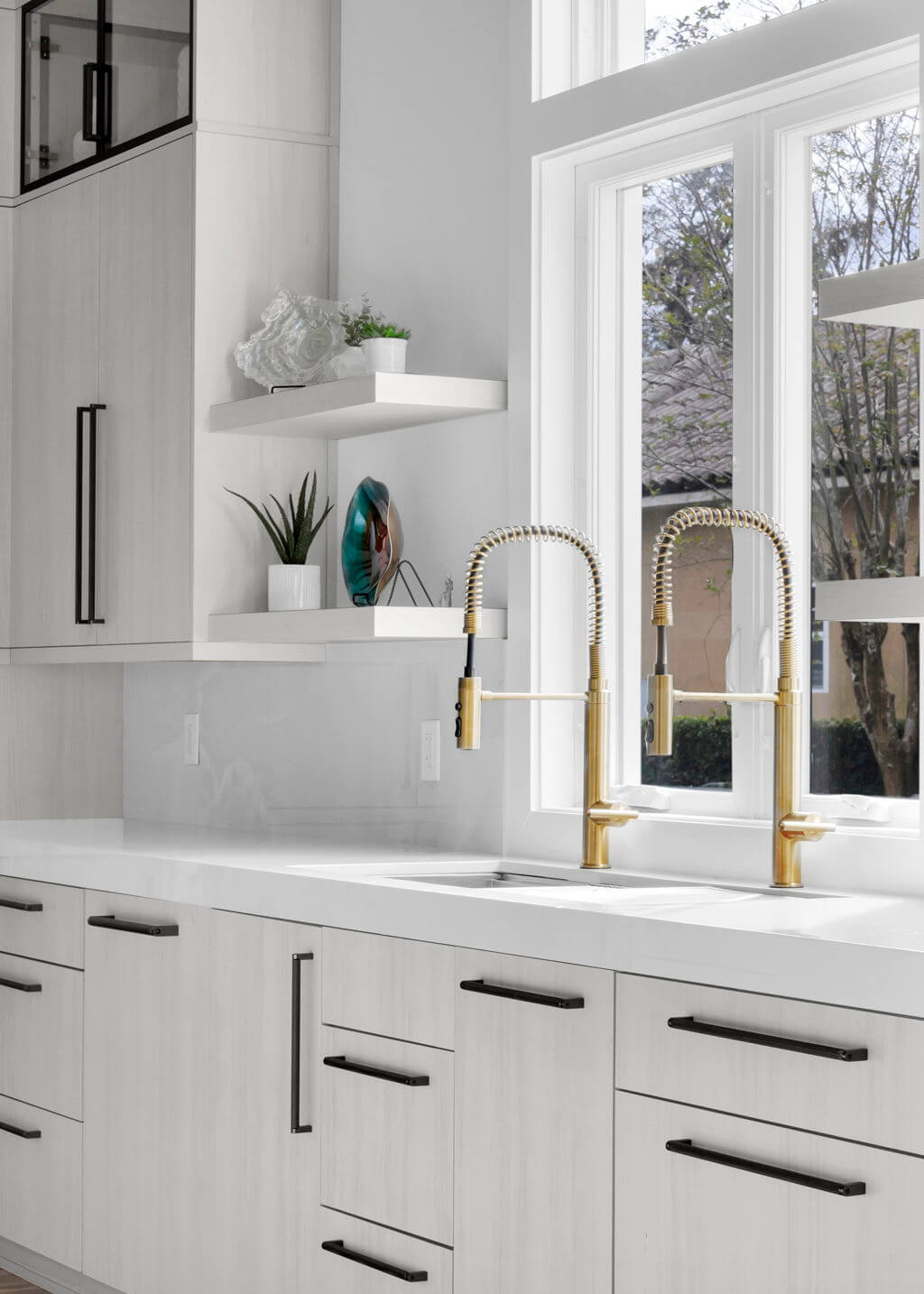
Design by Bonnie McKesson at Kitchen Design Gallery of Jacksonville, Florida. Photo by Kim Lindsey Photography.
The Many Personalities of Contemporary Design
Contemporary design is a broad category with many personalities, giving you the freedom to interpret its clean lines and architectural simplicity in a way that feels distinctly your own. Minimal Contemporary emphasizes visual calm through restrained palettes, uninterrupted cabinetry, integrated appliances, and discreet details. Warm Contemporary softens that simplicity with creamy colors, natural wood, inviting textiles, and burnished metals. Organic Contemporary draws inspiration from nature through pronounced wood grain, stone, sculptural forms, and gentle curves. Dramatic Contemporary takes a bolder direction with deep cabinetry colors, high-contrast surfaces, expressive lighting, and richly patterned materials.
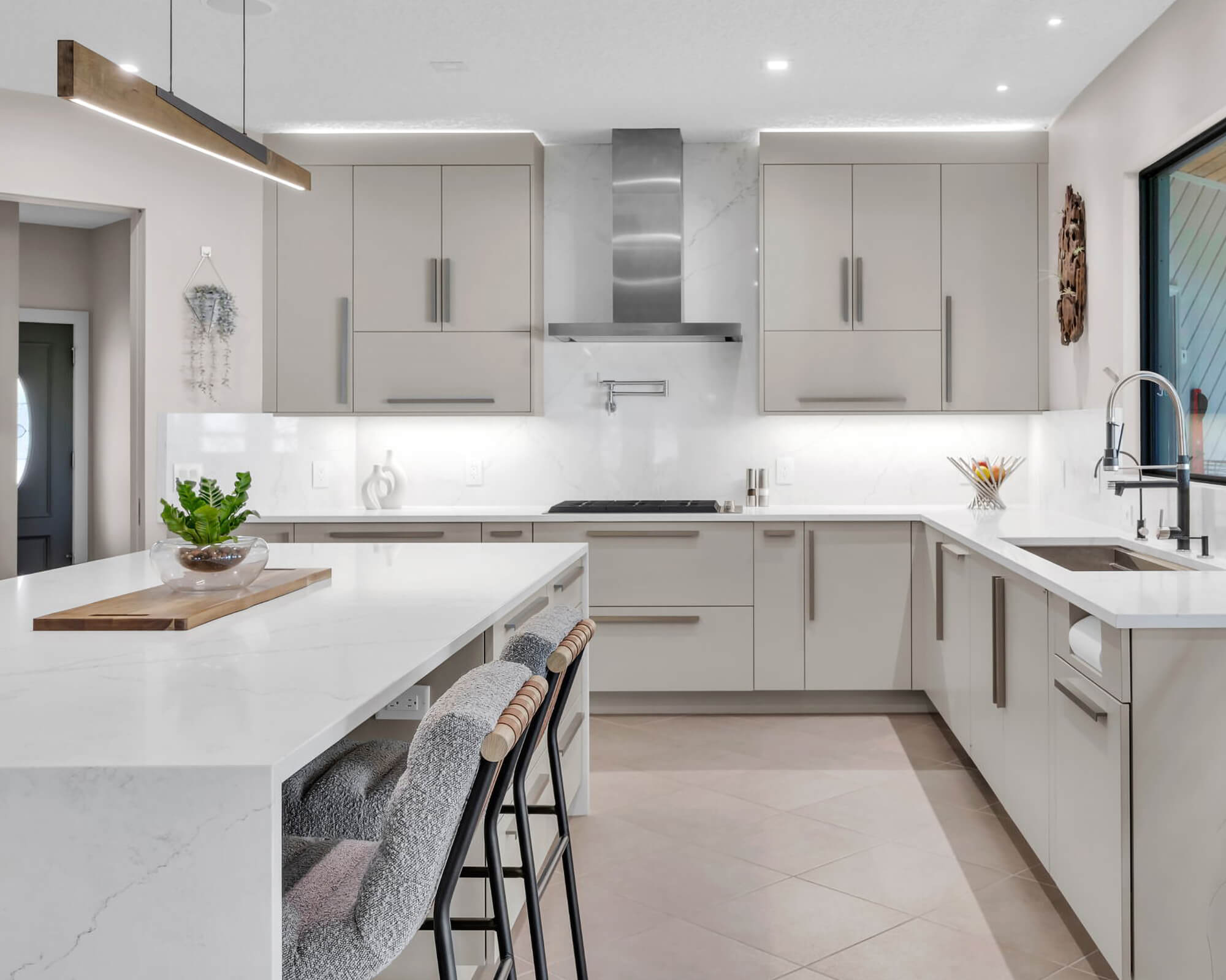
Example of Minimal Contemporary design style. Design by Kitchen Design Gallery of Jacksonville, Florida. Photo by Kim Lindsey Photography.
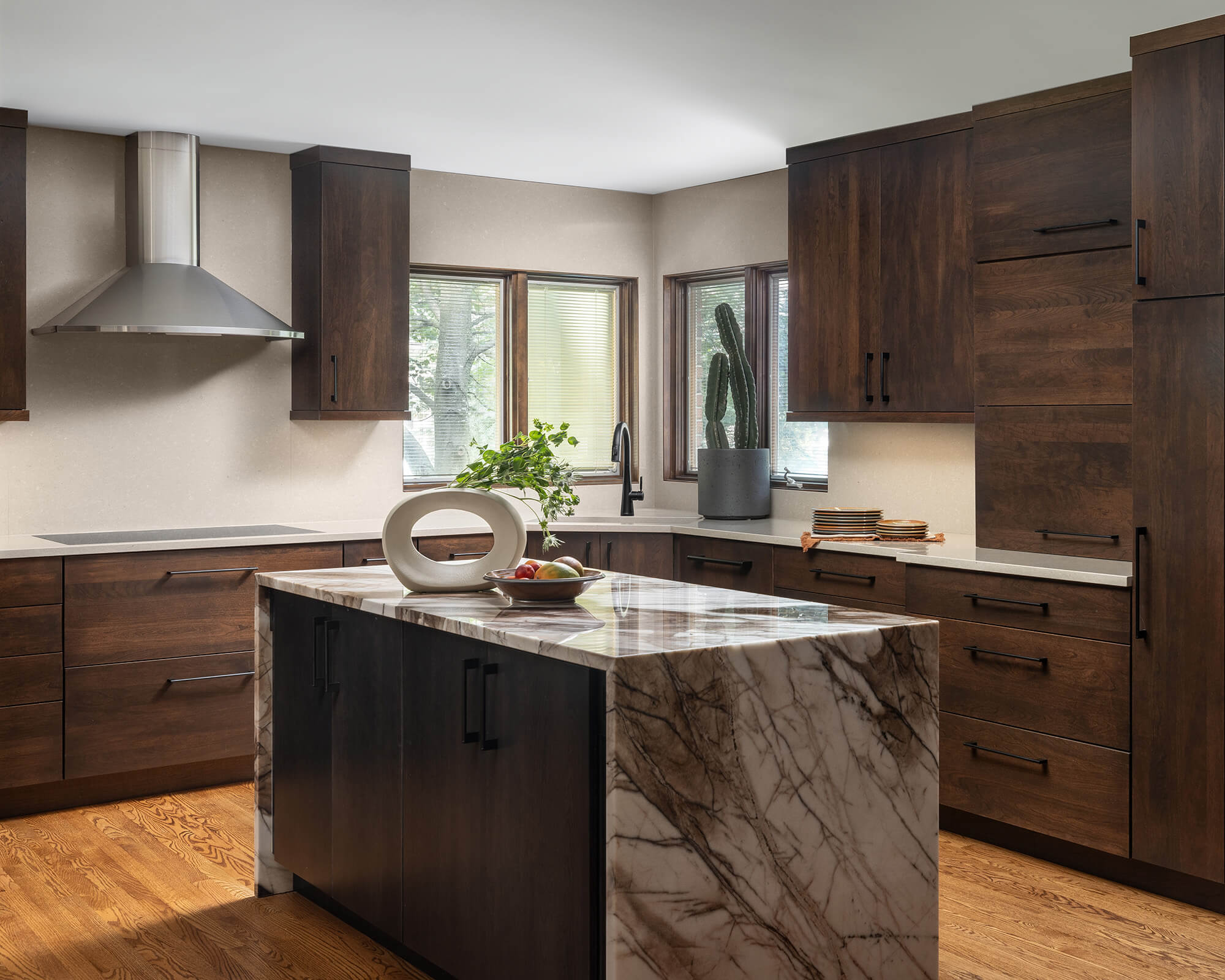
Example of Warm Contemporary design style.
Design by Jen Holz at Dillman & Upton, Rochester, Michigan.
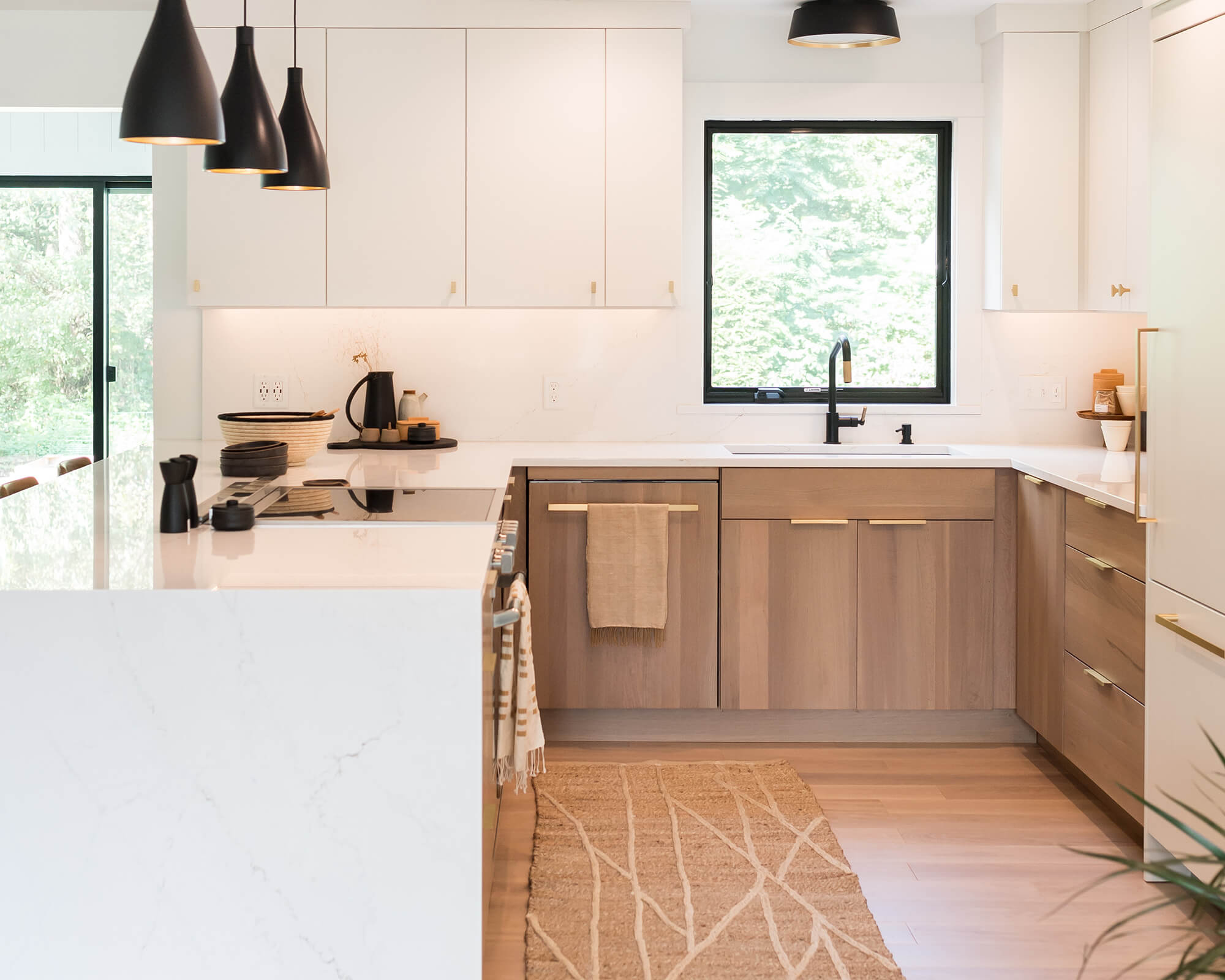
Example of Organic Contemporary design style. Design by Sage Market + Design, Inc. of Portsmouth, New Hampshire. Photography by Freebird Photography.
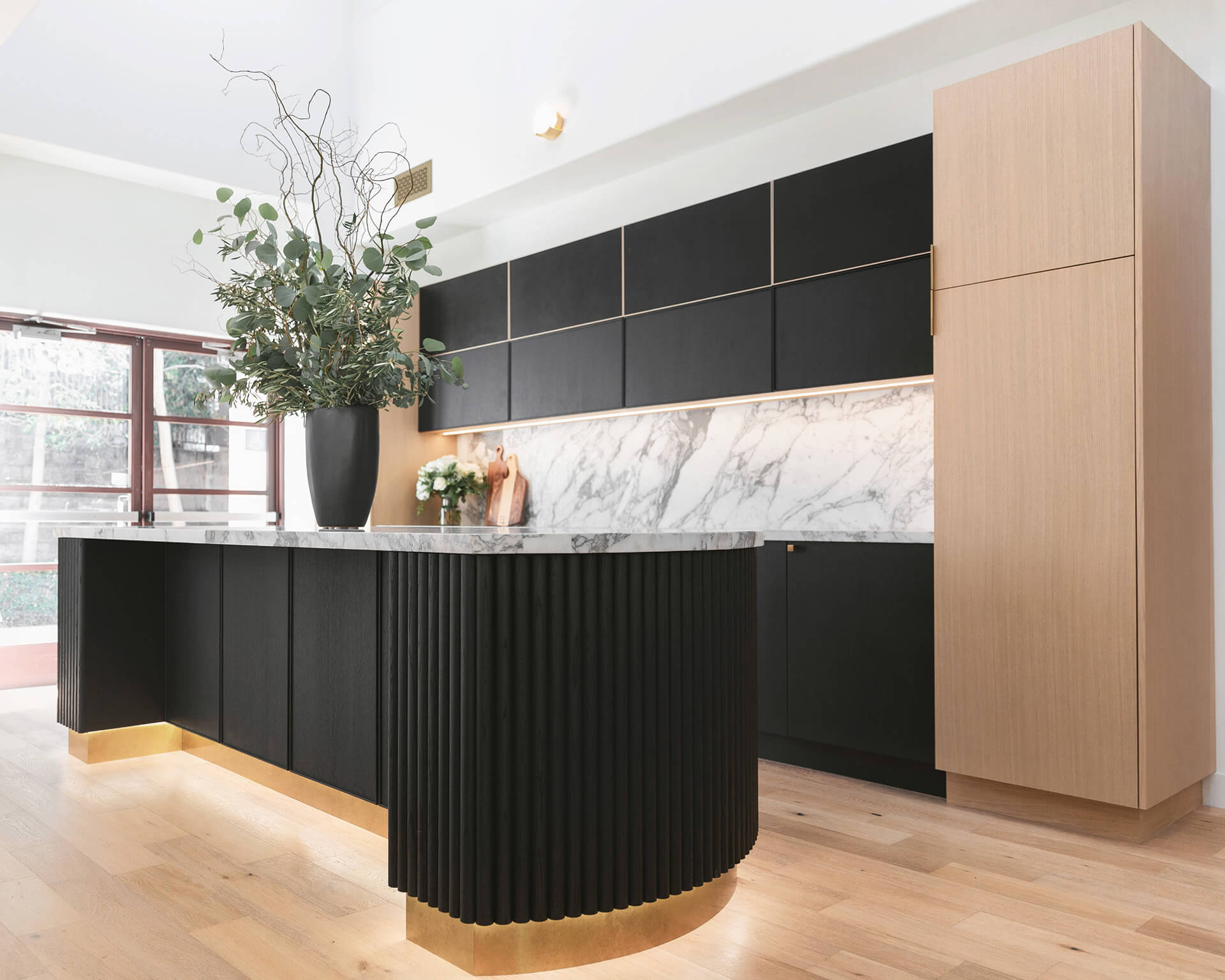
Example of Dramatic Contemporary design style.
Design by Ariana Lovato of Honeycomb Home Design of Arroyo Grande, California. Photography by Lisa Maksoudian.
Each personality looks different, yet all share an appreciation for purposeful design, thoughtful proportions, and a refined sense of restraint. A contemporary kitchen may be pale and serene, warm and grounded, organic and textural, or dark and dramatic. What connects these interpretations is not one prescribed palette or material, but the careful editing of each element so that the room feels cohesive, current, and personal.
How to Create a Contemporary Color Palette
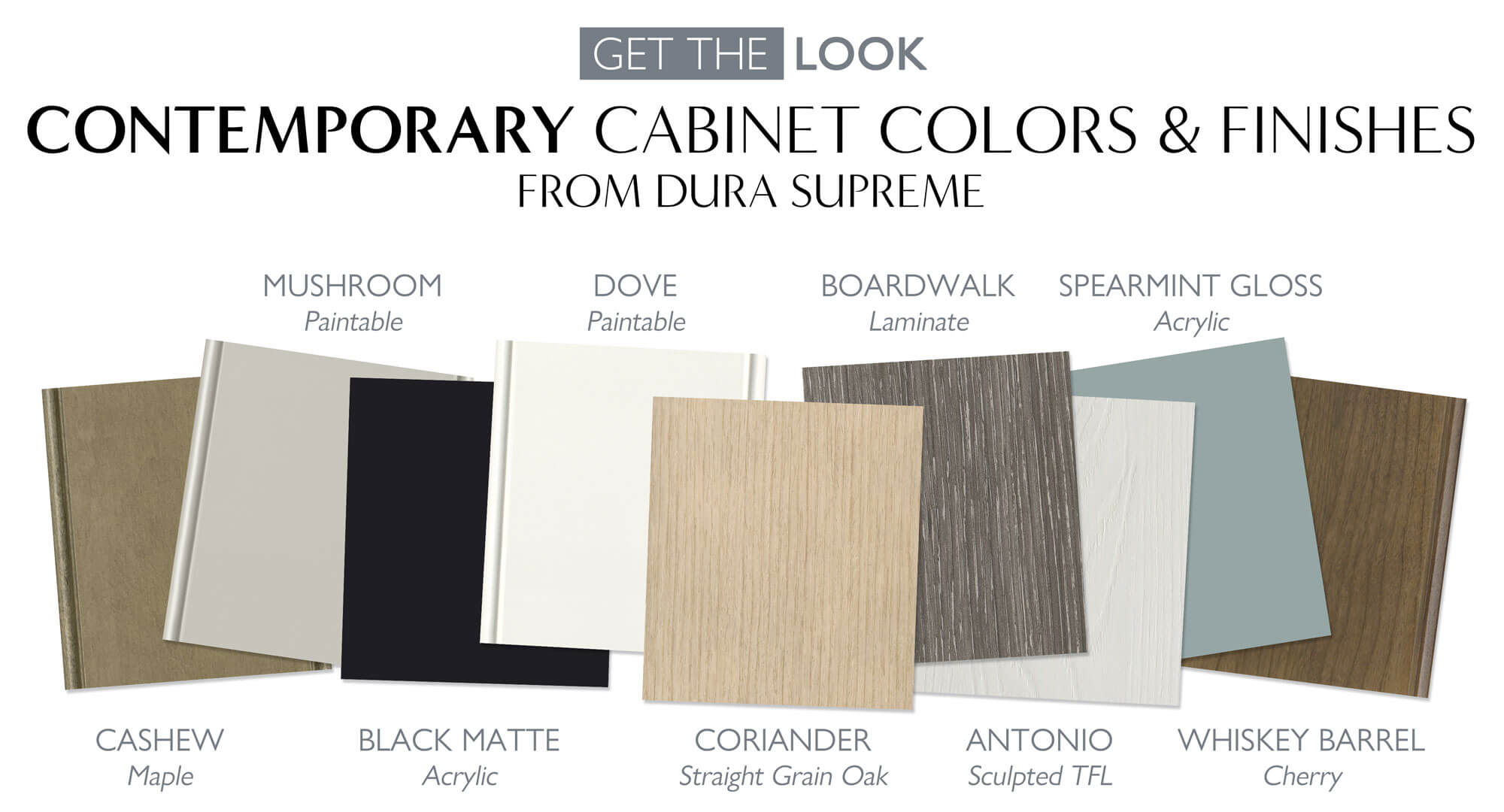
A contemporary color palette often begins with a restrained foundation, but restrained does not have to mean colorless. Warm white, soft cream, misty gray, taupe, greige, charcoal, and black all have a place in contemporary interiors. These shades create visual continuity and allow the room’s forms, textures, and materials to become the focus.

This design concept combines Dura Supreme’s Allura door in White Gloss Acrylic and Talia door in Wired Mercury with Corian countertop in Arctic Ice and Sherwin-Williams paint color Drizzle SW 6479.
Cabinetry can establish the lightest or deepest value in the room. Pale painted or soft matte cabinetry contributes to an airy, architectural feeling, while dark cabinetry gives the space weight and definition. Natural wood introduces another layer of color through grain and tone, whether the desired effect is soft and subtle or rich and dramatic. For a two-tone kitchen, wood cabinetry on an island can warm a painted perimeter, while a darker accent bank can create a sophisticated focal point without overwhelming the entire room.
A Splash of Color
Contemporary interiors also leave room for carefully chosen color. Muted green, mineral blue, clay, and other nature-inspired hues can bring personality to cabinetry while preserving the style’s composed character. The key is tonal control. Rather than introducing many competing shades, select one memorable color and repeat it with intention through cabinetry, tile, upholstery, artwork, or accessories.
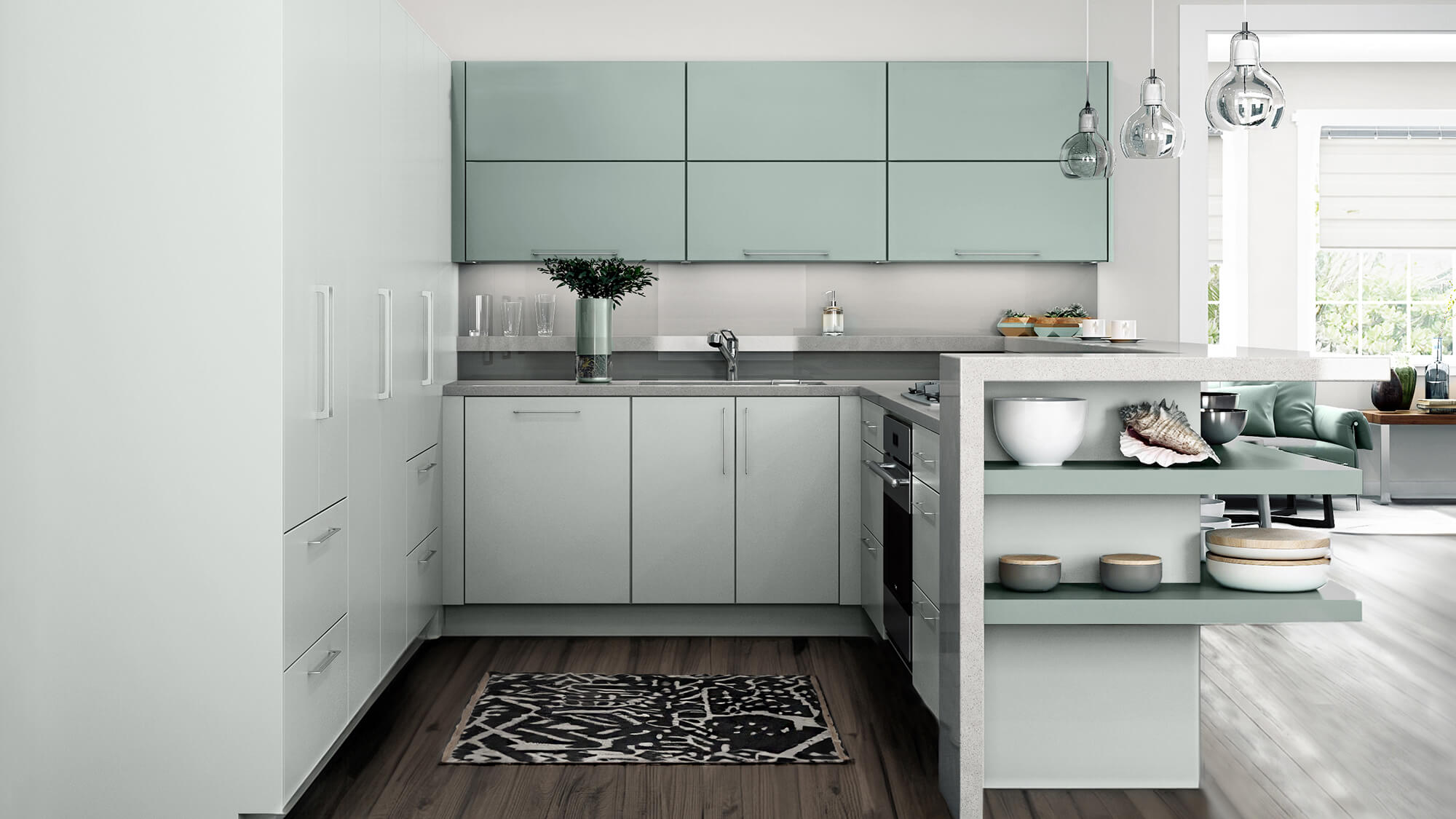
This modern two-toned kitchen design shows how stunning Matte cabinets can look in a contemporary setting. This design uses our “Silver Grey” color contrasted with a pop of color using the “Mint Green” Matte TFL color on the Ella door style.
Pay Attention to Reflection, Texture, and Grain Direction
Finish sheen has an equally important effect. Matte and low-sheen surfaces tend to absorb light, creating a soft, quiet appearance. Glossy finishes reflect surrounding colors and add luminosity, particularly in a kitchen with carefully controlled lines. Wood grain, textured surfaces, and subtle cabinet veneers can provide visual movement within an otherwise simple palette. So paying attention to the patterns and directions of wood grain is an important aspect of contemporary design.

Note how the wood grain direction moves horizontally across the cabinets on this kitchen island.

See the combination of the glossy white cabinetry paired with wired gloss cabinets with a Horizontal Grain pattern.
Choosing Contemporary Cabinetry Door Styles
Cabinetry is one of the defining architectural elements in a contemporary kitchen. Doors with simple profiles allow the room’s layout, materials, and proportions to take center stage. Slab doors offer the purest interpretation, creating broad uninterrupted surfaces that can feel minimal, luxurious, or dramatic depending on the finish. Slim Shaker and modern shallow shaker door styles provide a softer transition, introducing fine linear detail while preserving a clean overall appearance.
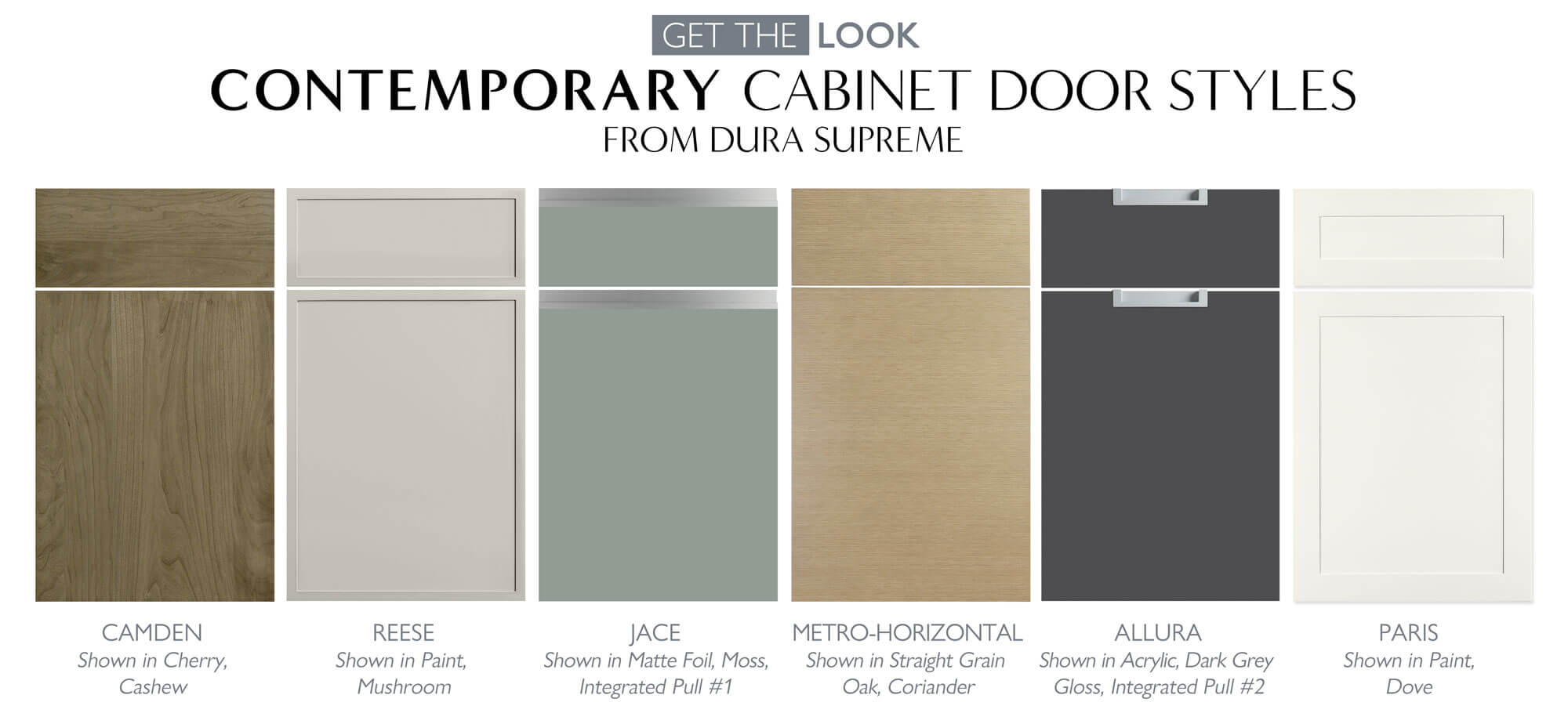
Frameless Full Overlay
A full-overlay door styles with frameless (full-access) cabinet construction can reinforce the streamlined, modern look by minimizing visible frame lines and placing the emphasis on the cabinet doors and drawer fronts.

Contemporary Accent Cabinet Doors
Contemporary interiors benefit from contrast, but each accent should have a clear purpose. Glass cabinet doors can provide visual relief within a wall of solid cabinetry, particularly when the interiors are carefully styled and softly illuminated. Metal-framed cabinet doors can introduce a crisp architectural note, wire mesh, mirror or back painted glass inserts add dimension to the design.
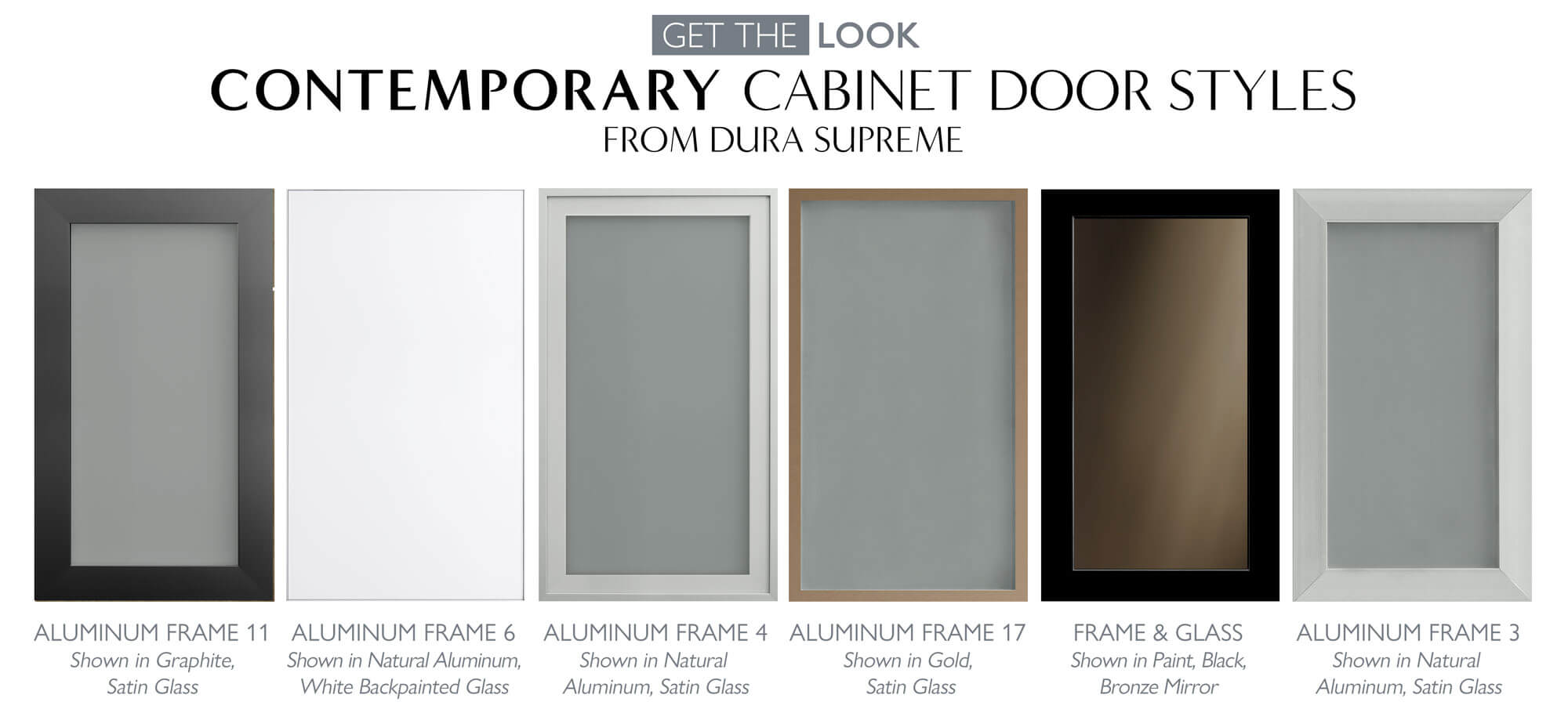
Note: Limit accent doors to intentional locations, such as a beverage center, display cabinet, or upper cabinet grouping. Repeating too many competing treatments can weaken the clarity that makes contemporary design so compelling. One beautifully detailed accent, supported by quieter cabinetry around it, often has greater impact than several unrelated features.
Key Design Elements of Contemporary Interior Design
Contemporary design is considered a modern design that relies on smooth and polished surfaces, clean lines, and a simple, uncluttered look. It is sleek, spacious, and comfortable. Fundamental simplicity, subtle sophistication, texture, and clean lines help to define a contemporary design. Design elements include strong horizontal lines and blocks of space with few intricate details. This style depends on a careful conversation between architectural lines, material contrast, open space, and a few distinctive focal points. Every surface does not need to demand attention. Instead, the room feels composed because each element contributes to a clear visual hierarchy.
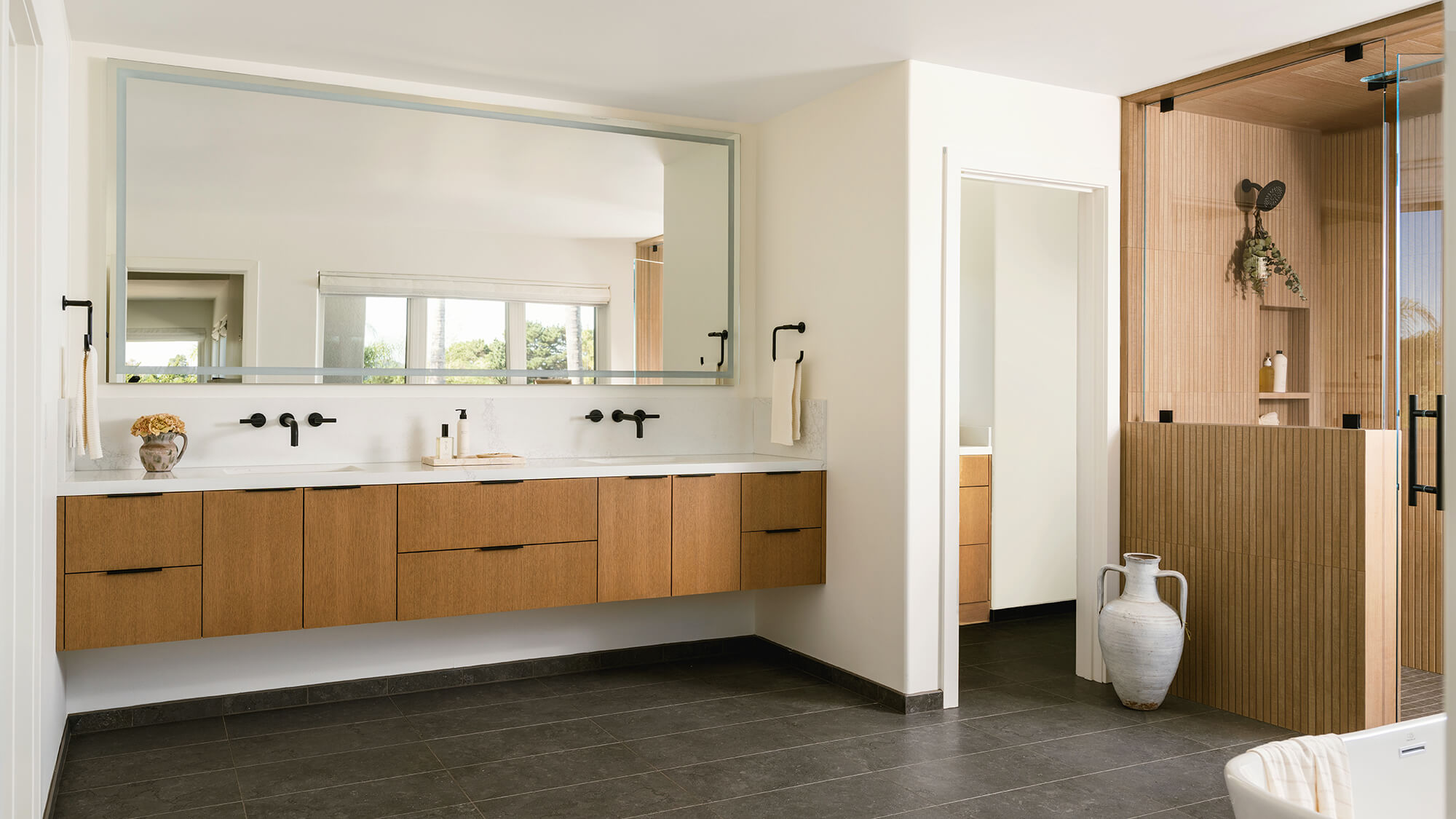
Design by Ariana Lovato of Honeycomb Home Design of Arroyo Grande, California. Photography by Lisa Maksoudian.
Clean Architectural Lines
Strong horizontal and vertical lines provide contemporary interiors with structure. Cabinetry, countertops, windows, ceiling details, and lighting should relate to one another rather than appearing as separate decisions. A continuous counter plane, a bank of tall cabinetry, or a precisely framed window can give the kitchen a graceful architectural rhythm.
This attention to alignment is especially important in open-concept homes, where the kitchen is viewed alongside dining and living areas. Cabinetry can create a sense of continuity across these spaces through repeating finishes, coordinated built-ins, and consistent proportions.
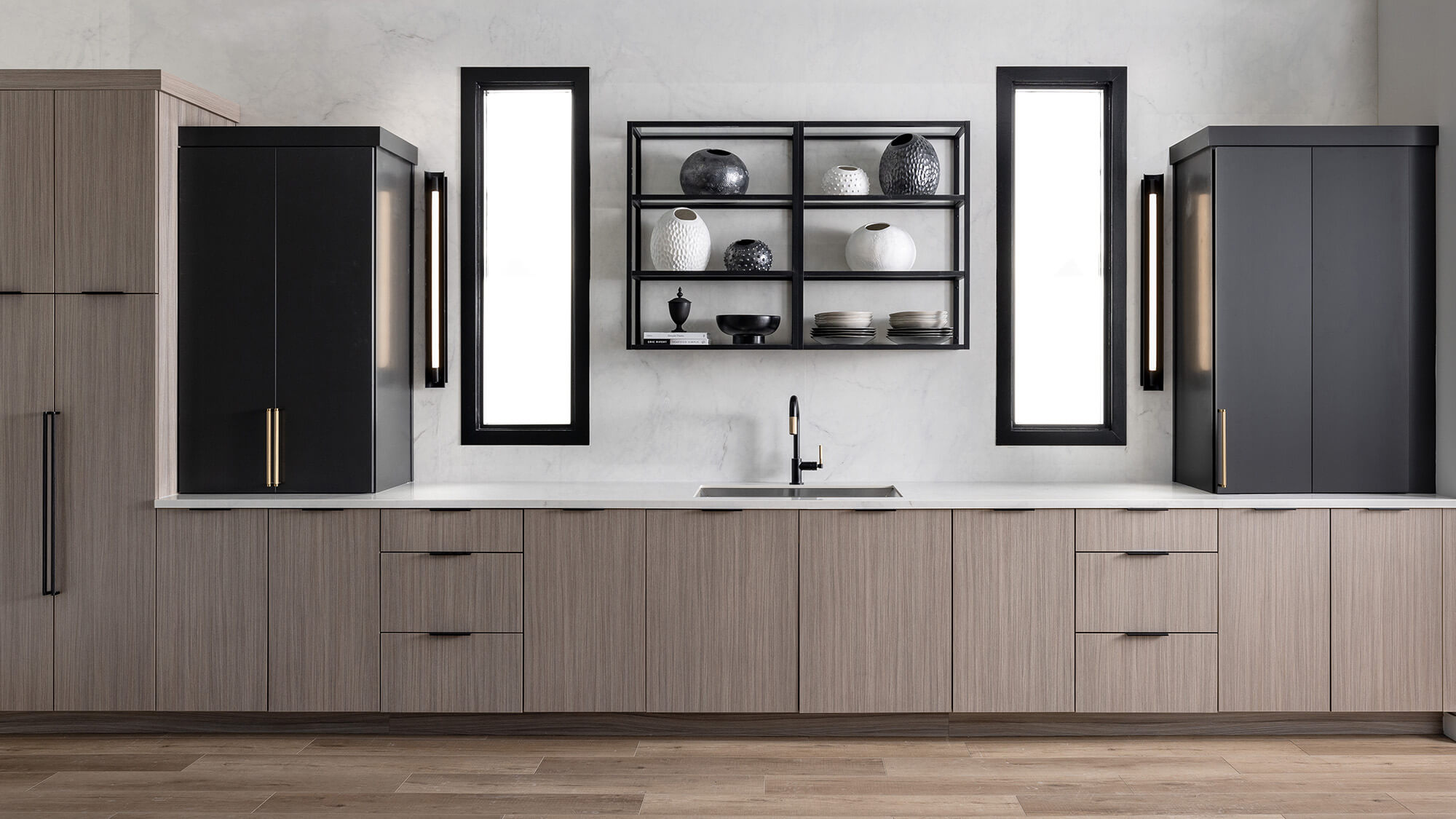
Design by KSI Kitchen & Bath, Michigan and Ohio.
Sculptural Lighting & Furnishings
Because contemporary cabinetry is often restrained, lighting and furniture can introduce expressive form. Oversized simplistic pendants, softly curved stools, and a sculptural dining fixture act almost like functional artwork. Rounded silhouettes also soften the kitchen’s straight lines, creating balance and a natural sense of movement.
Scale matters. A large kitchen island or peninsula may call for one substantial fixture rather than a collection of smaller pendants, while a compact room benefits from lighting that feels visually light. Whatever the direction, the fixture should complement the cabinetry rather than compete with its proportions.
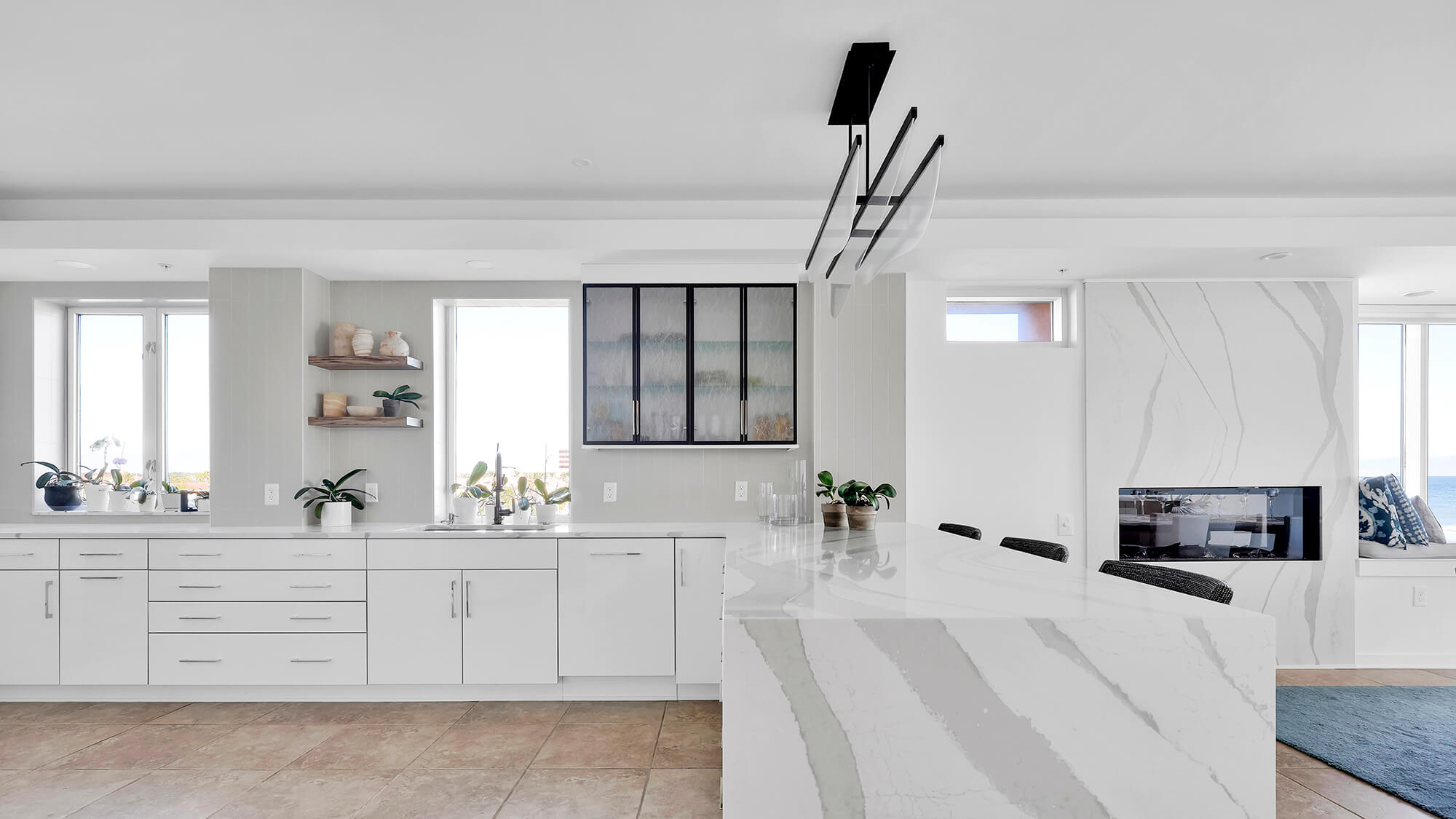
See the large, singular light over this kitchen peninsula and how it is full of artistic flare. Design by Christie Stoll at Kitchen Design Gallery of Jacksonville, Florida. Photo by Kim Lindsey Photography.
Purposeful Simplicity
Contemporary simplicity is not about removing personality. It is about giving meaningful materials and objects room to be appreciated. A single arrangement of branches, a thoughtfully displayed collection, or one piece of artwork can add warmth without creating visual noise.
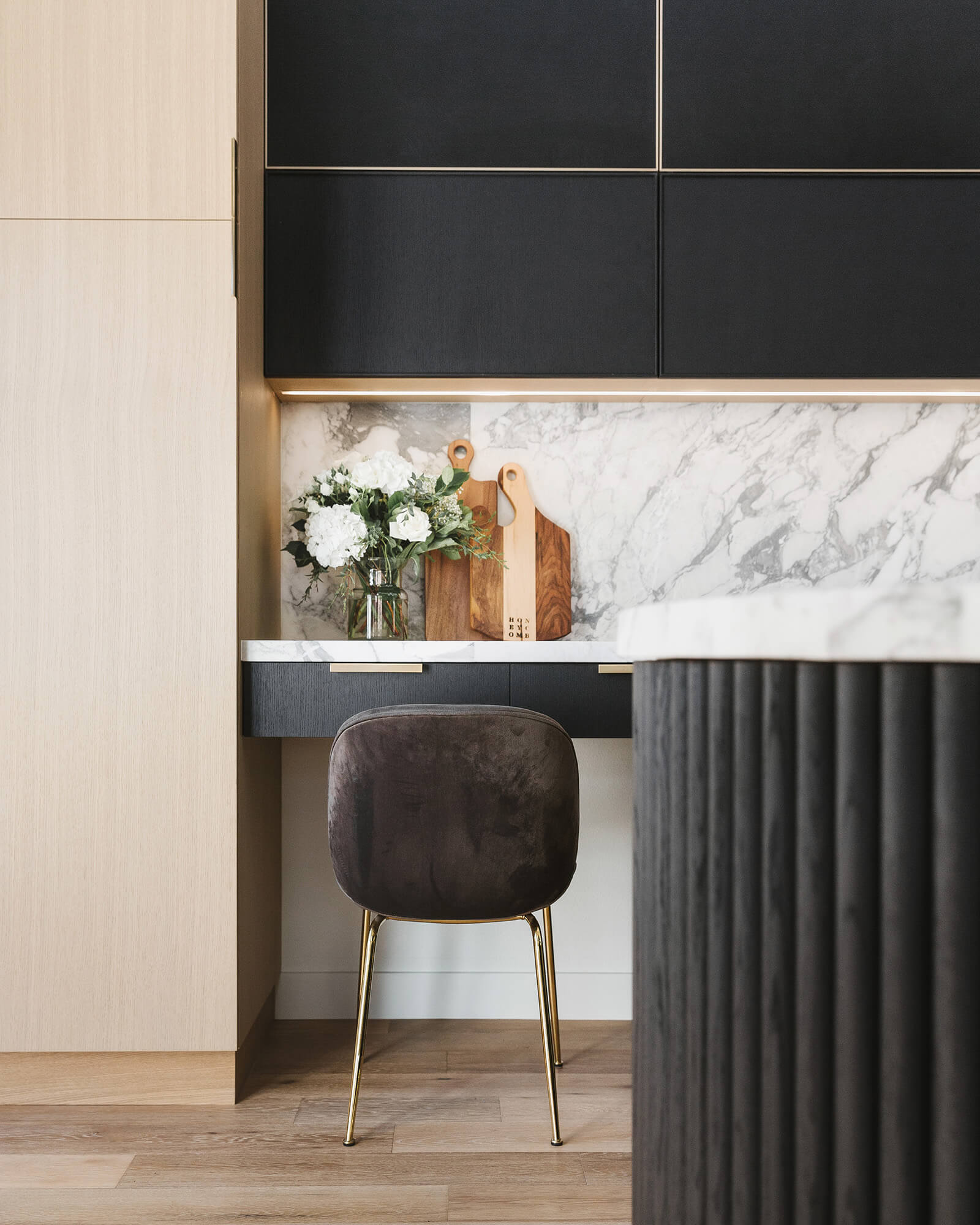
Design by Ariana Lovato of Honeycomb Home Design of Arroyo Grande, California. Photography by Lisa Maksoudian.
Cabinet storage supports this edited atmosphere by giving everyday items a dedicated home. When the functional details are thoughtfully planned within the cabinetry, counters can remain open for cooking, serving, and gathering. The room feels calm because its beauty and utility are working together.
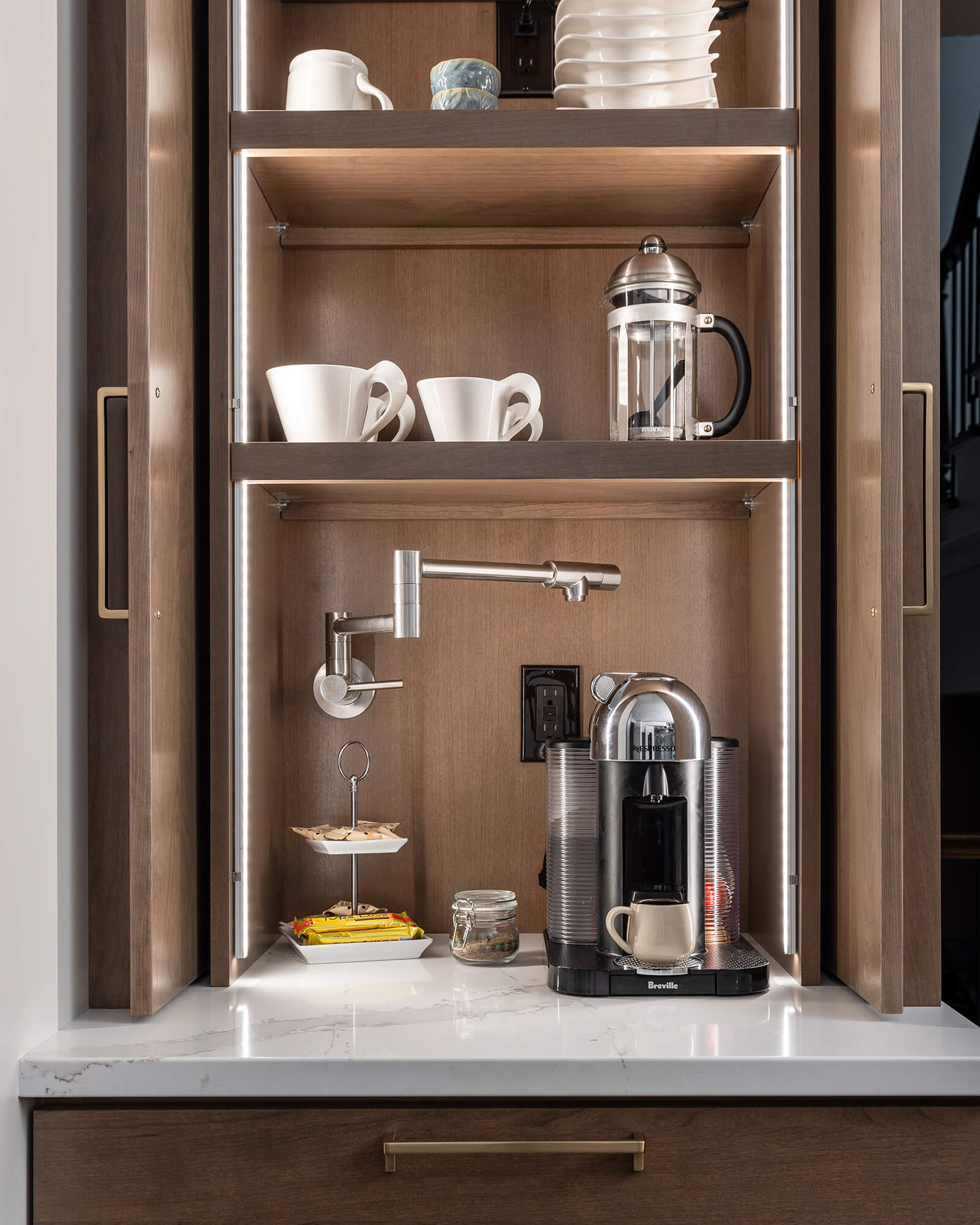
Integrated lighting helps add comfort and function to hidden workspaces. Design by Dillman & Upton of Rochester, Michigan.

Stainless steel drawer boxes match the stainless appliances and wired foiled cabinetry adding a contemporary look and feel to the cabinet interiors as well.
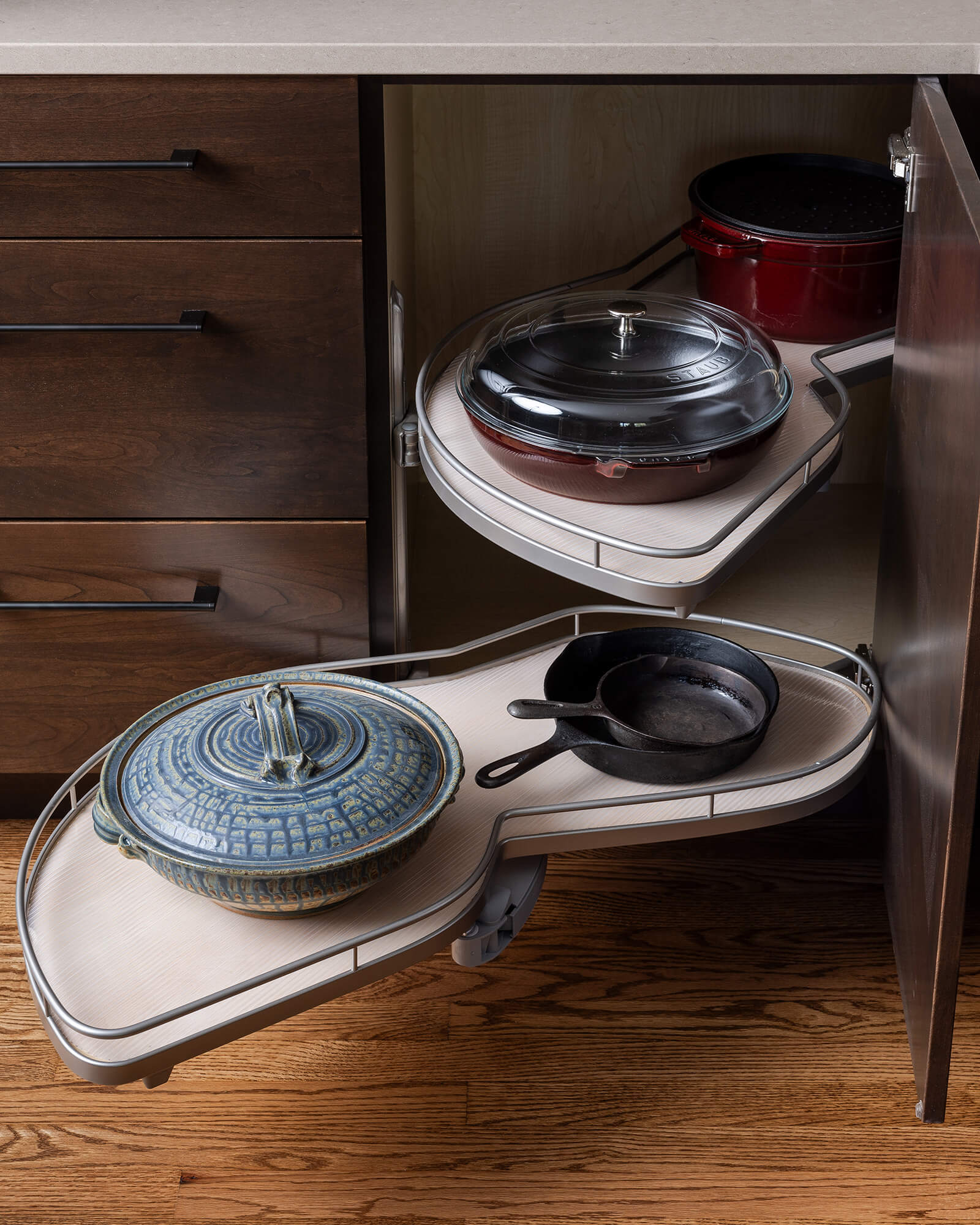
High-tech storage solutions help add function and help create a clutter-free space. Design by Dillman & Upton of Rochester, Michigan.
Overall, it’s important to create a comfortable space that is spacious and without clutter. Keep it simple, clean, and clutter-free. Always think “less is more” when creating a contemporary design.
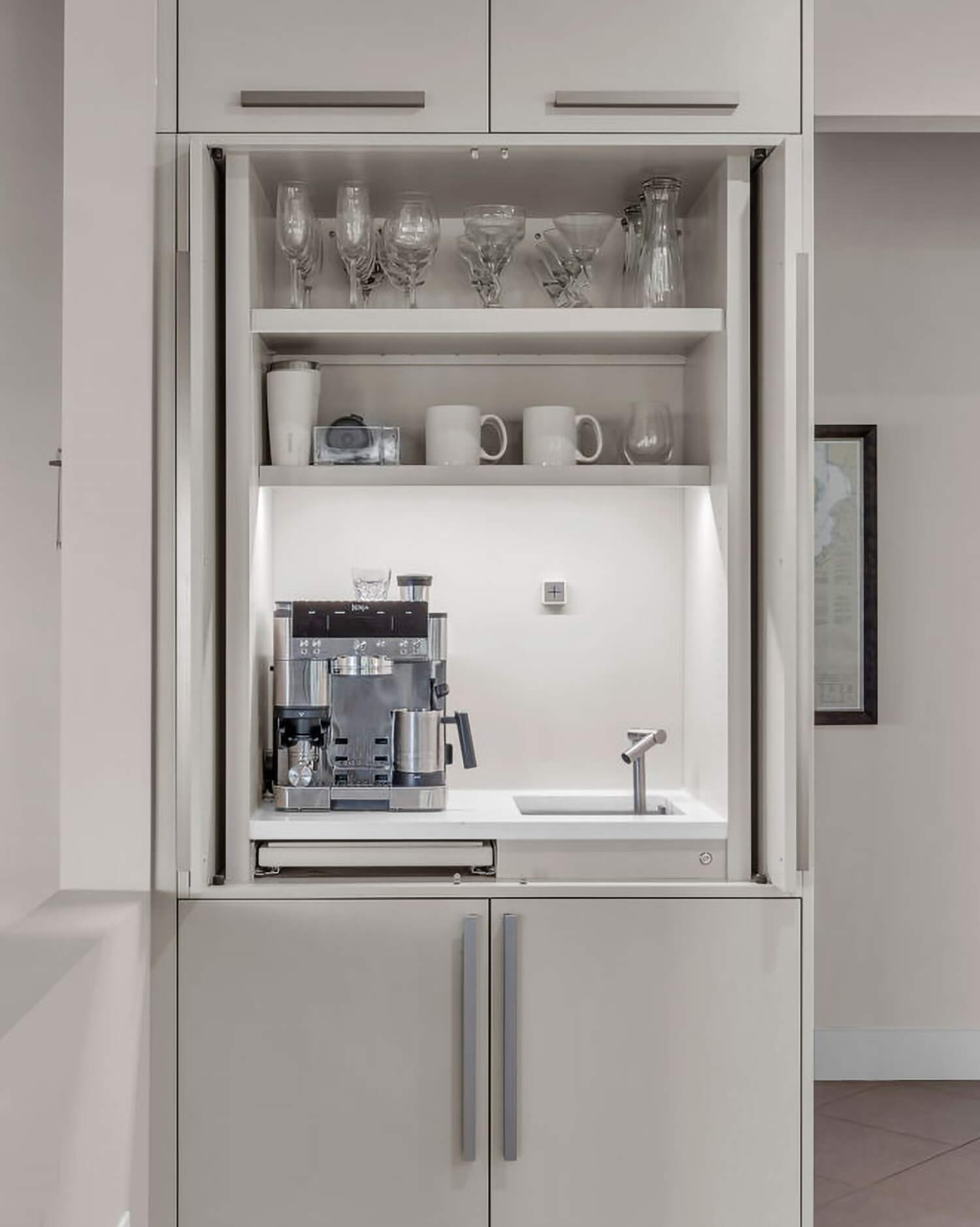
Creating a hidden work zone for everyday countertop appliances like coffee makers or mixers can add function to the design and help eliminate countertop clutter. Design by Kitchen Design Gallery of Jacksonville, Florida. Photo by Kim Lindsey Photography.
Adding Detail with Texture
Contemporary design rarely depends on elaborate carvings, heavy moldings, or an abundance of decorative ornamentation. Instead, texture brings depth and personality to the room. Flat surfaces provide a clean canvas, while expressive materials introduce the warmth, movement, and visual interest that keep the space from feeling stark.
The striking movement of a dramatically grained solid quartz backsplash can become artwork behind the cooktop. Natural wood cabinets add character through variations in grain and tone, while creative tile patterns can introduce rhythm without disrupting the clarity of the design.
The beauty of texture is often revealed through contrast. A smooth painted cabinet finish feels more luxurious beside pronounced wood grain. Matte surfaces absorb light, while polished metal and glass provide an occasional glimmer. These differences create a layered visual experience without relying on ornate details.
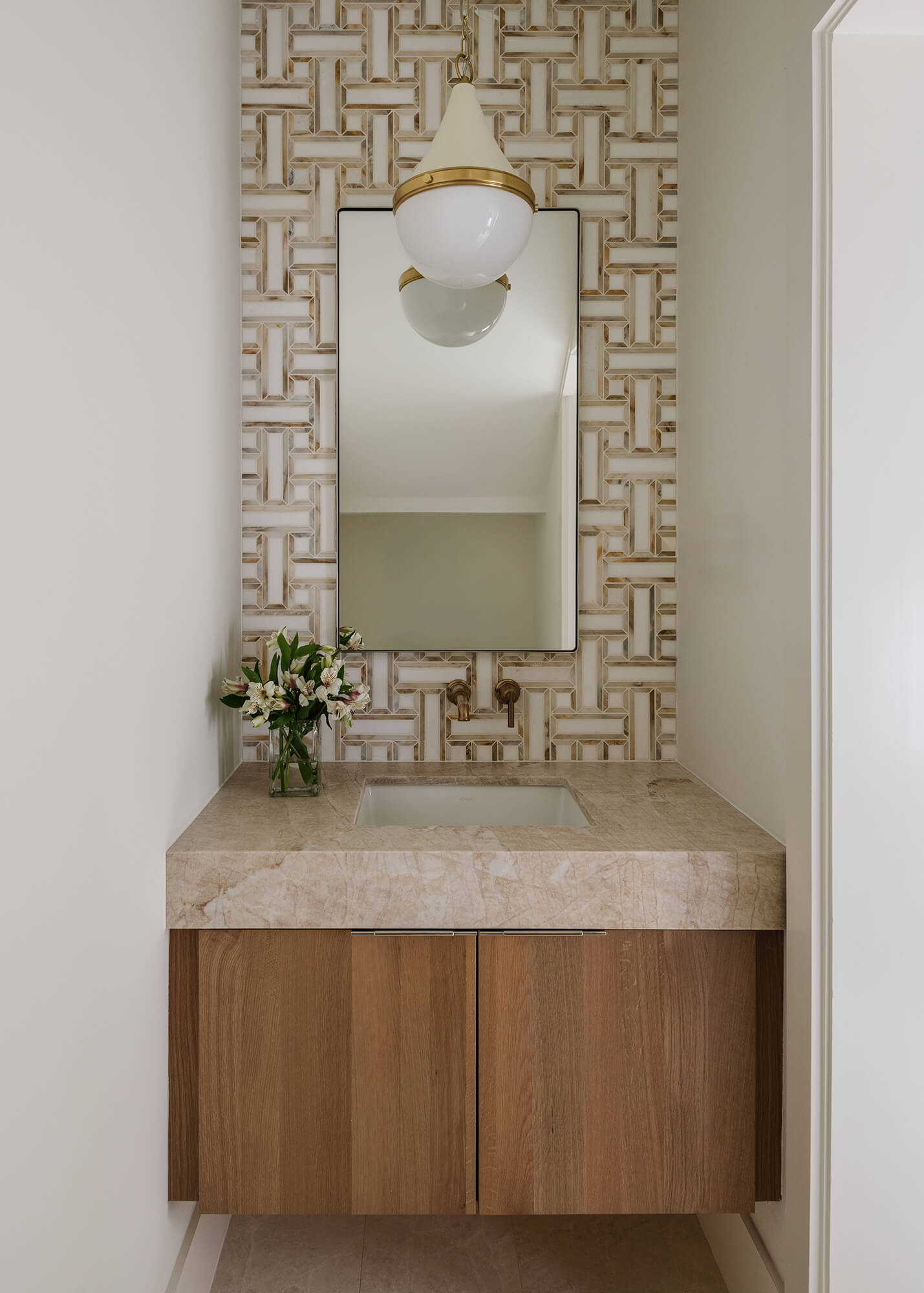
Design by Ariana Lovato of Honeycomb Home Design of Arroyo Grande, California. Photography by Lisa Maksoudian.
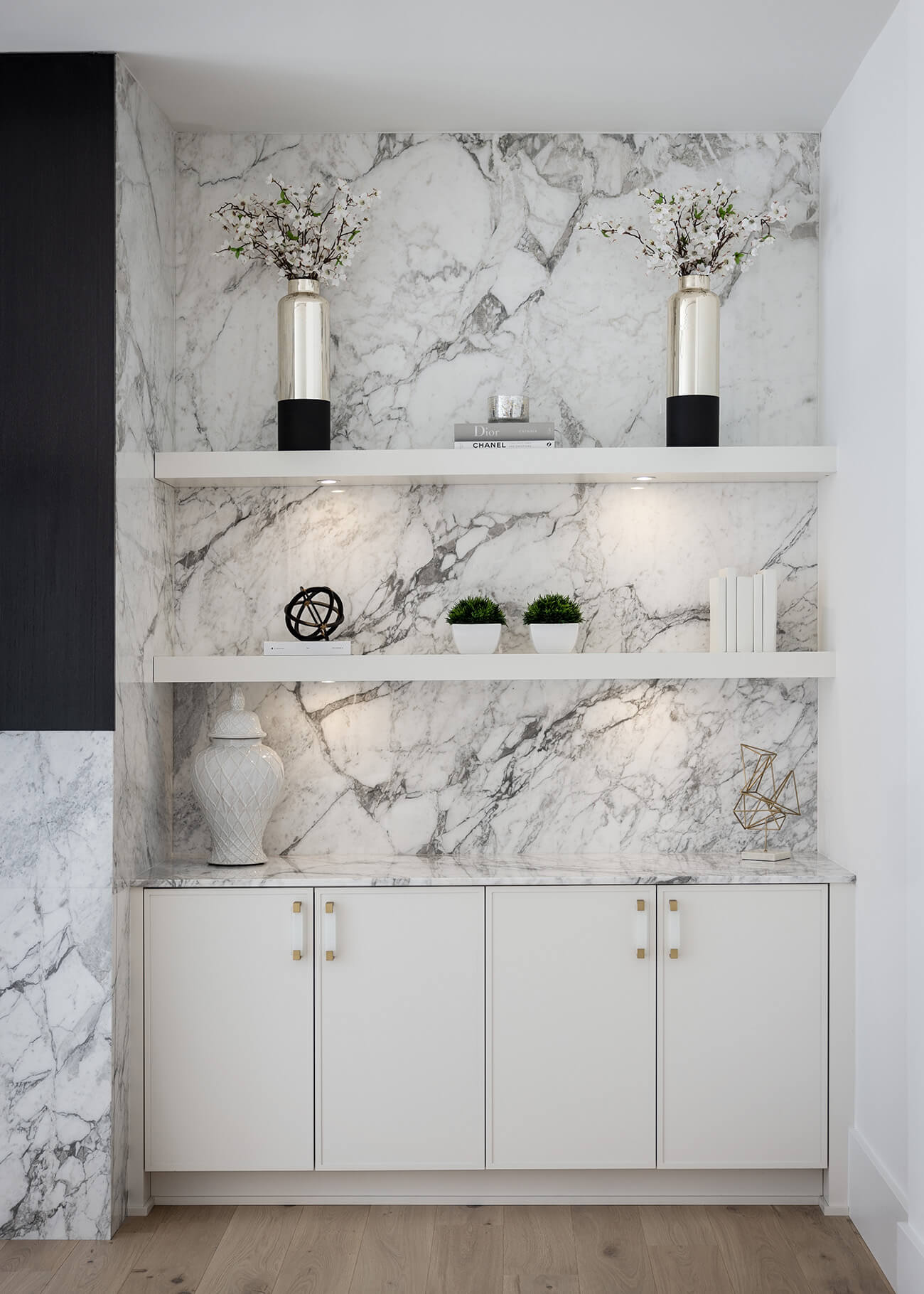
Design by KSI Kitchen & Bath, Michigan and Ohio.
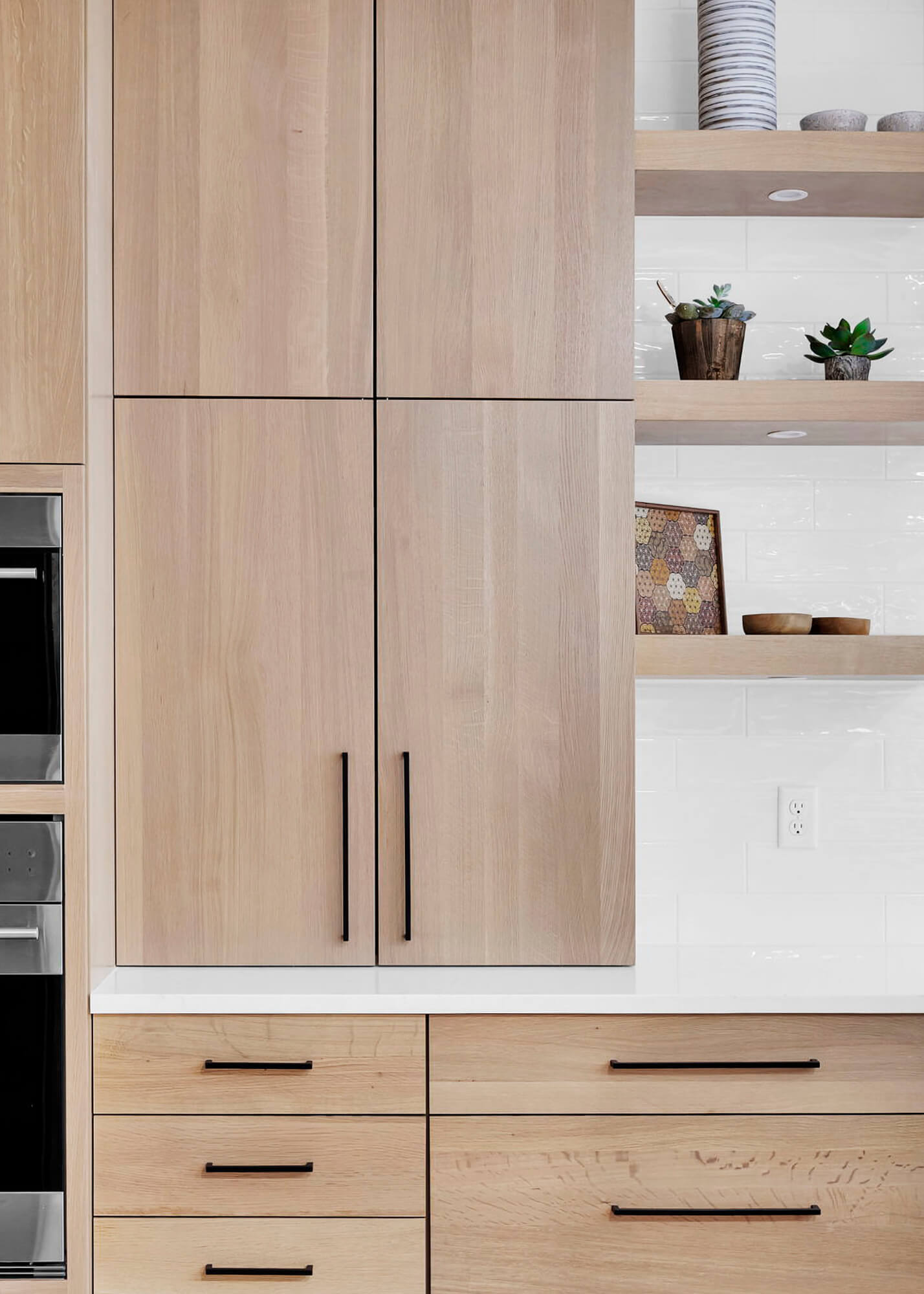
Design by Christie Stoll at Kitchen Design Gallery of Jacksonville, Florida. Photo by Kim Lindsey Photography.
Modern Hardware
Hardware can either nearly disappear or become a precise decorative accent. Integrated or discreet pulls support a minimal expression, while slender linear hardware emphasizes the geometry of cabinet doors and drawers. Black, polished metal, warm metallic finishes, and tonal hardware can all feel contemporary when repeated thoughtfully throughout the room.
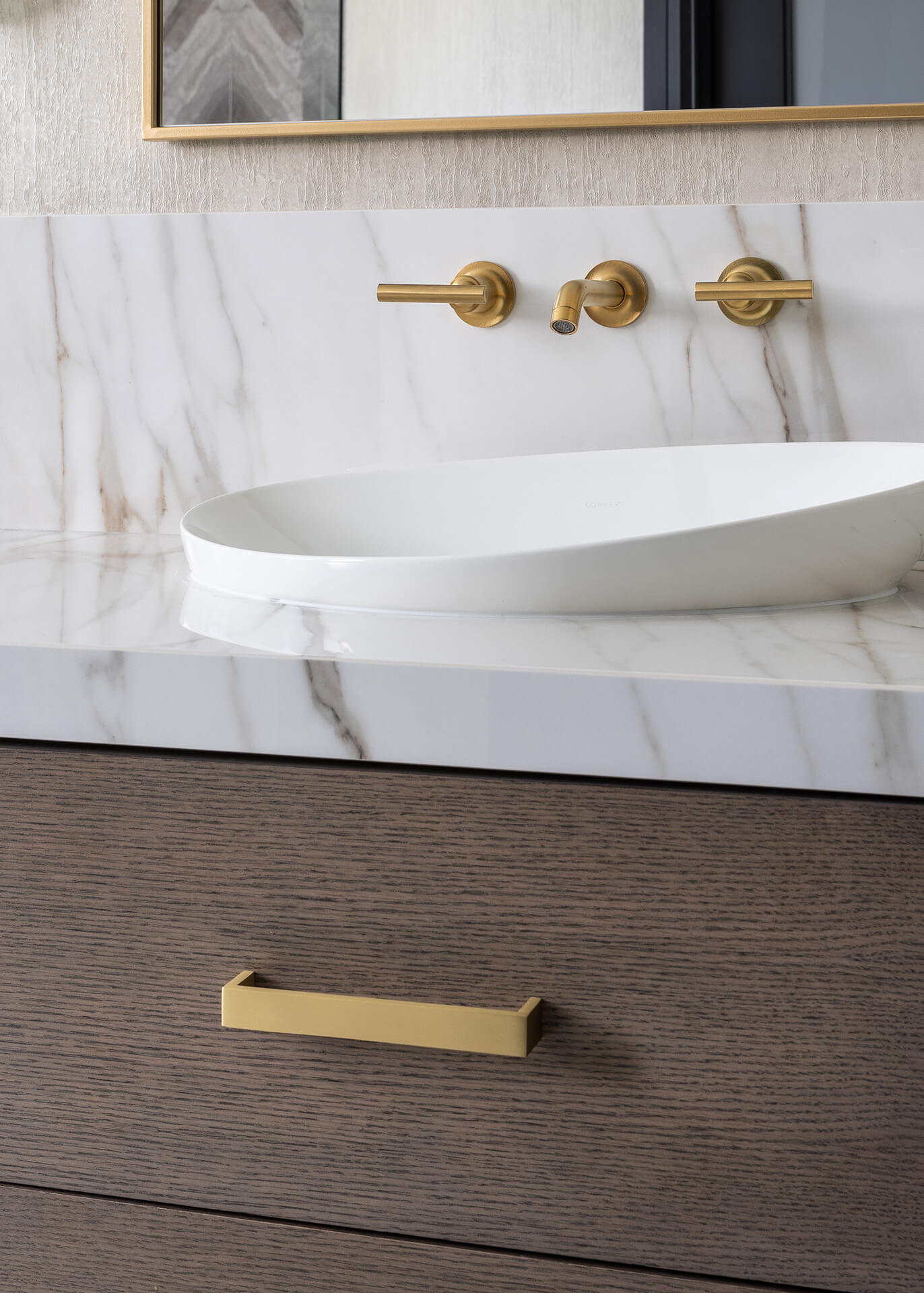
An example of a simplistic, modern pull. Design by KSI Kitchen & Bath of Michigan and Ohio.
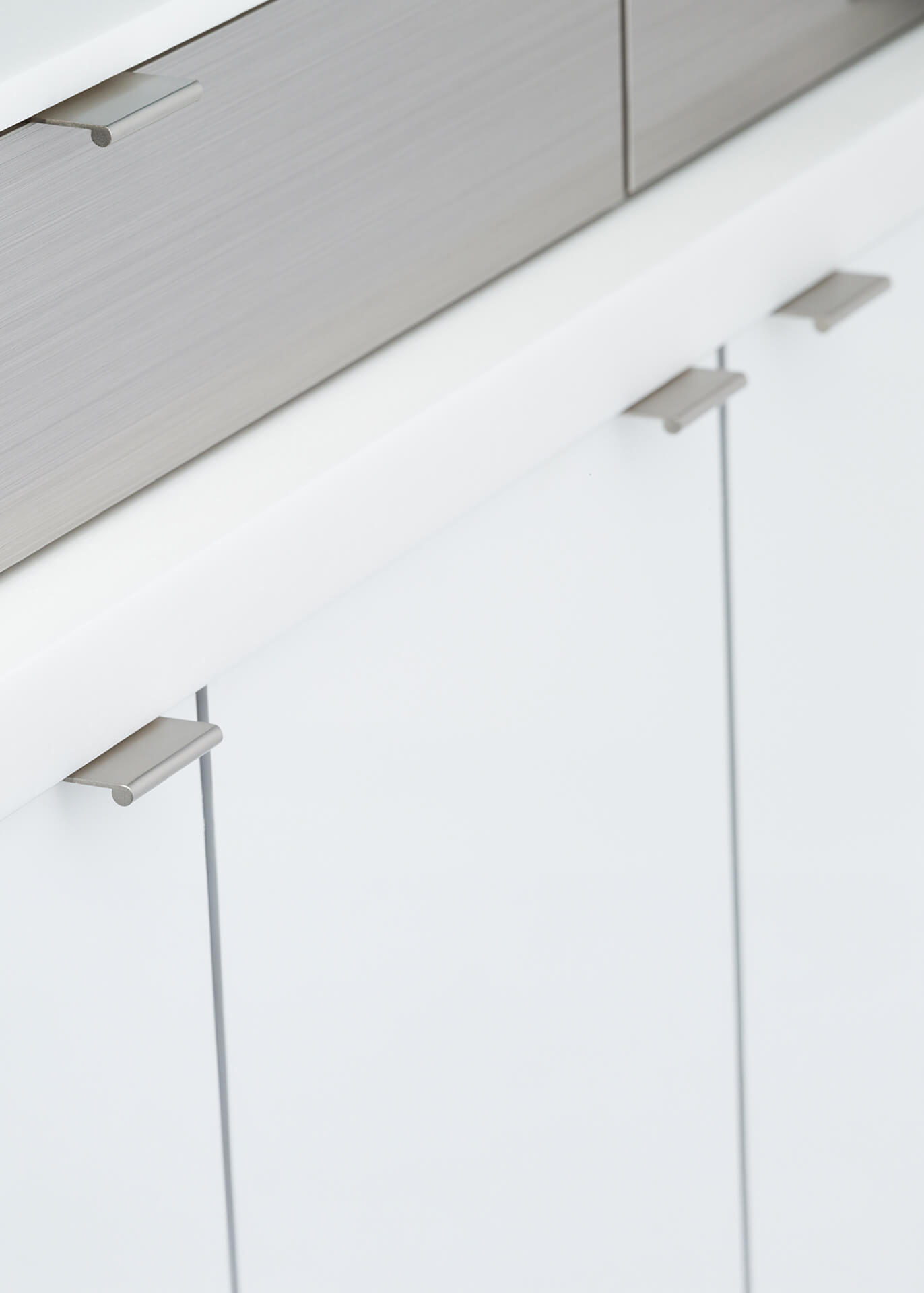
An example of discreet contemporary styled pulls.
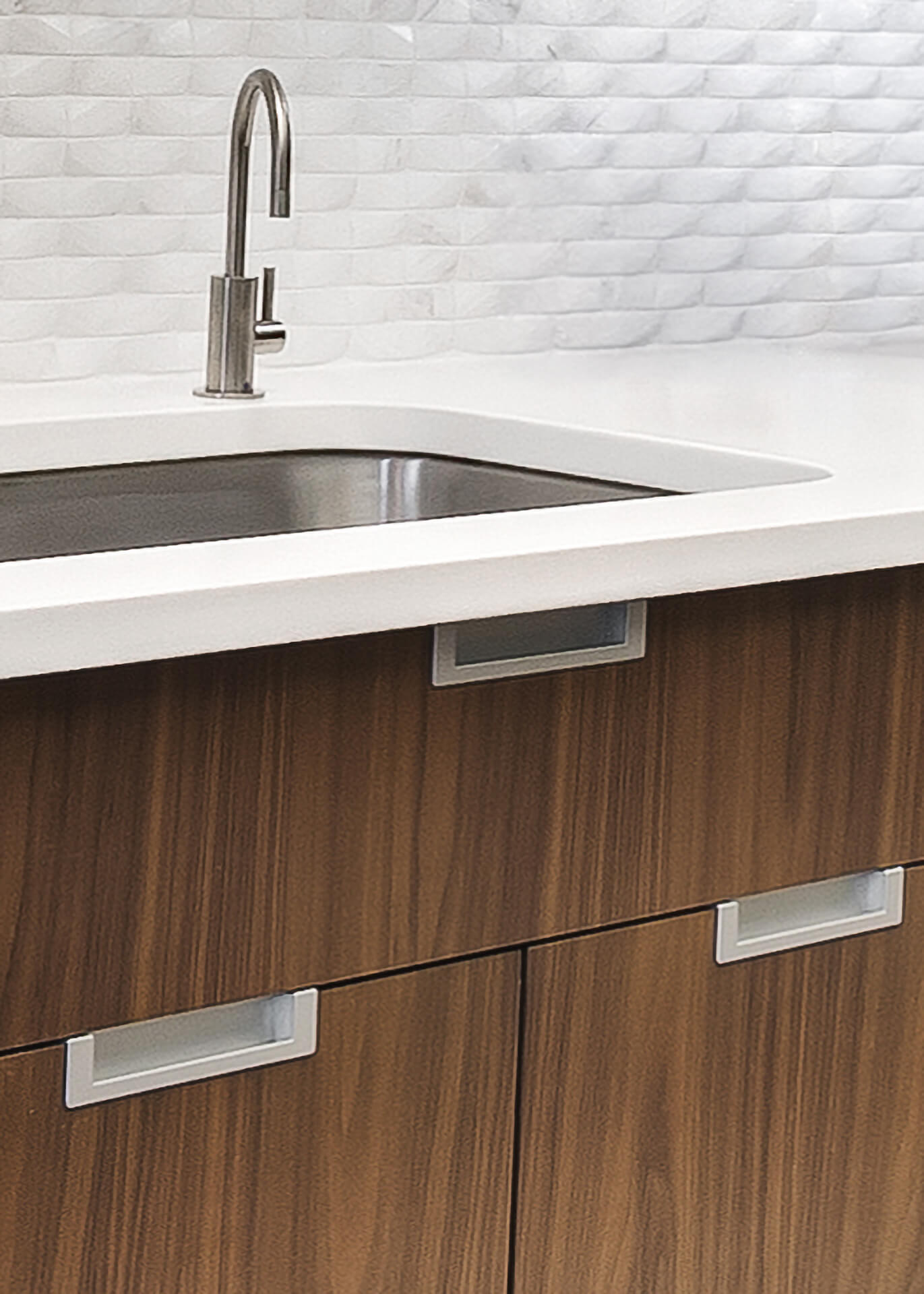
An example of an integrated pull featuring Dura Supreme’s Integrated Pull #2. Design by Happy Home Services or Port Charlotte, Florida.
Is Contemporary Your Interior Design Style?
If you are attracted to clean lines, flexible design, sophisticated materials, and rooms that feel current without becoming overly ornate, contemporary style may be a beautiful fit for your home. The look can be warm or dramatic, minimal or richly layered, but cabinetry should remain the architectural anchor that brings the entire composition together. Check out Dura Supreme’s Contemporary Style Guide for more ideas and planning your next contemporary styled project.